Deep cleaning — scaling & root planing at Lambton Dental
Bleeding gums, persistent bad breath or teeth that feel loose can be signs of gum disease that a regular cleaning cannot fully address. Deep cleaning, also called scaling and root planing, treats the problem below the gumline. If you are looking for a deep cleaning dentist in Toronto, our team explains what we find and what your options are.

What is scaling and root planing at Lambton Dental?
Scaling and root planing is a non-surgical treatment for gum (periodontal) disease. When plaque and hardened tartar collect below the gumline, the gums pull away from the teeth and form pockets that a toothbrush cannot reach. Scaling removes the deposits from the tooth surface and from inside those pockets. Root planing then smooths the root surfaces so the gums can reattach more closely and bacteria have fewer rough spots to cling to.
The procedure is typically done by a hygienist or the dentist, often one quadrant or half of the mouth at a time, and a local anaesthetic may be used to keep you comfortable. It is usually the first step in treating gum disease, and for many patients it is enough to bring the gums back to a stable, manageable state when paired with good home care and regular periodontal maintenance.
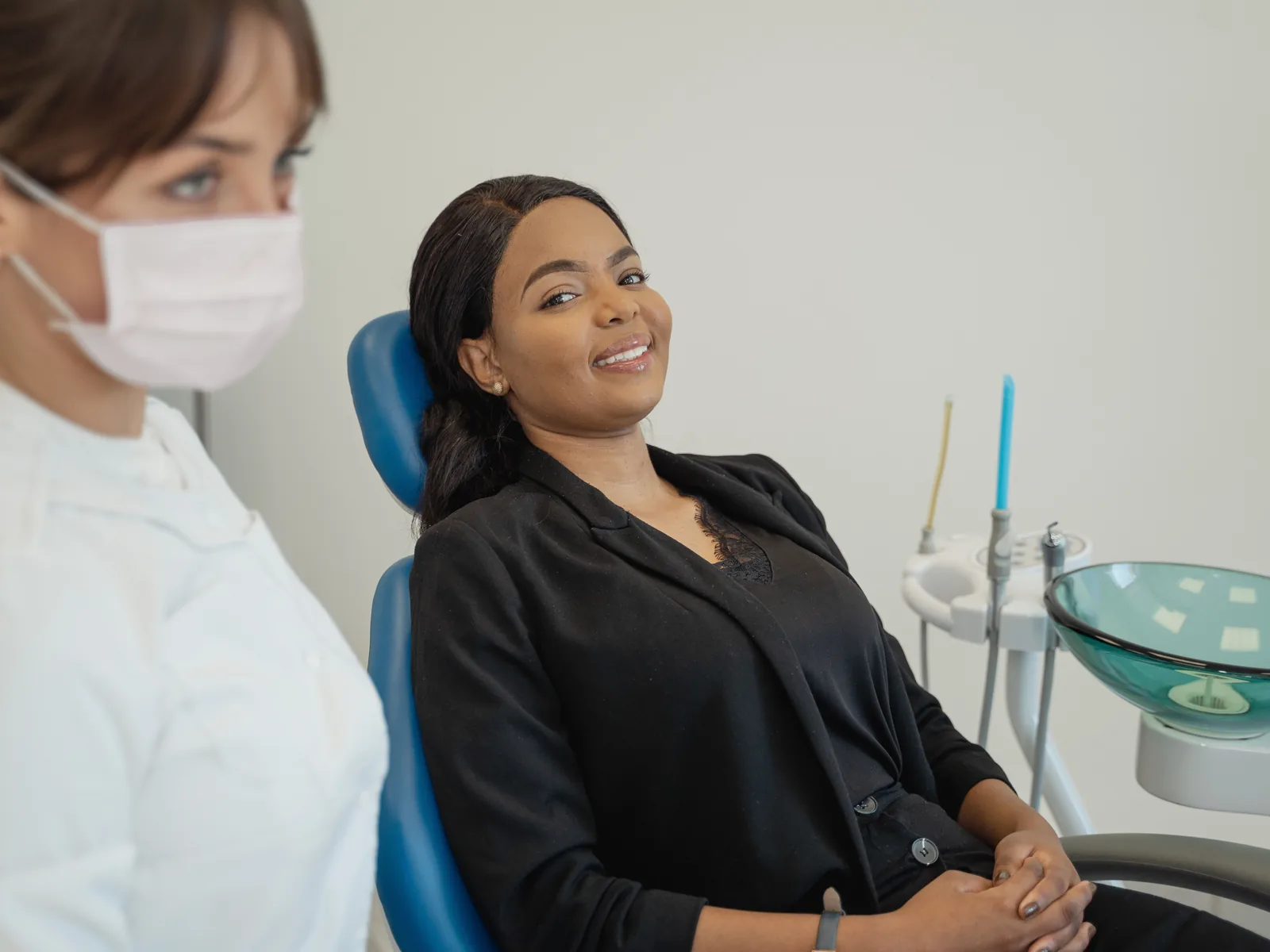

When a deep cleaning is right for you
The dentist may recommend scaling and root planing if an exam shows:
- Gum pockets that measure deeper than normal when we chart your gums.
- Gums that bleed easily, look red or swollen, or have started to pull back from the teeth.
- Tartar build-up below the gumline that a routine cleaning cannot remove.
- Persistent bad breath or a bad taste that does not improve with brushing and flossing.
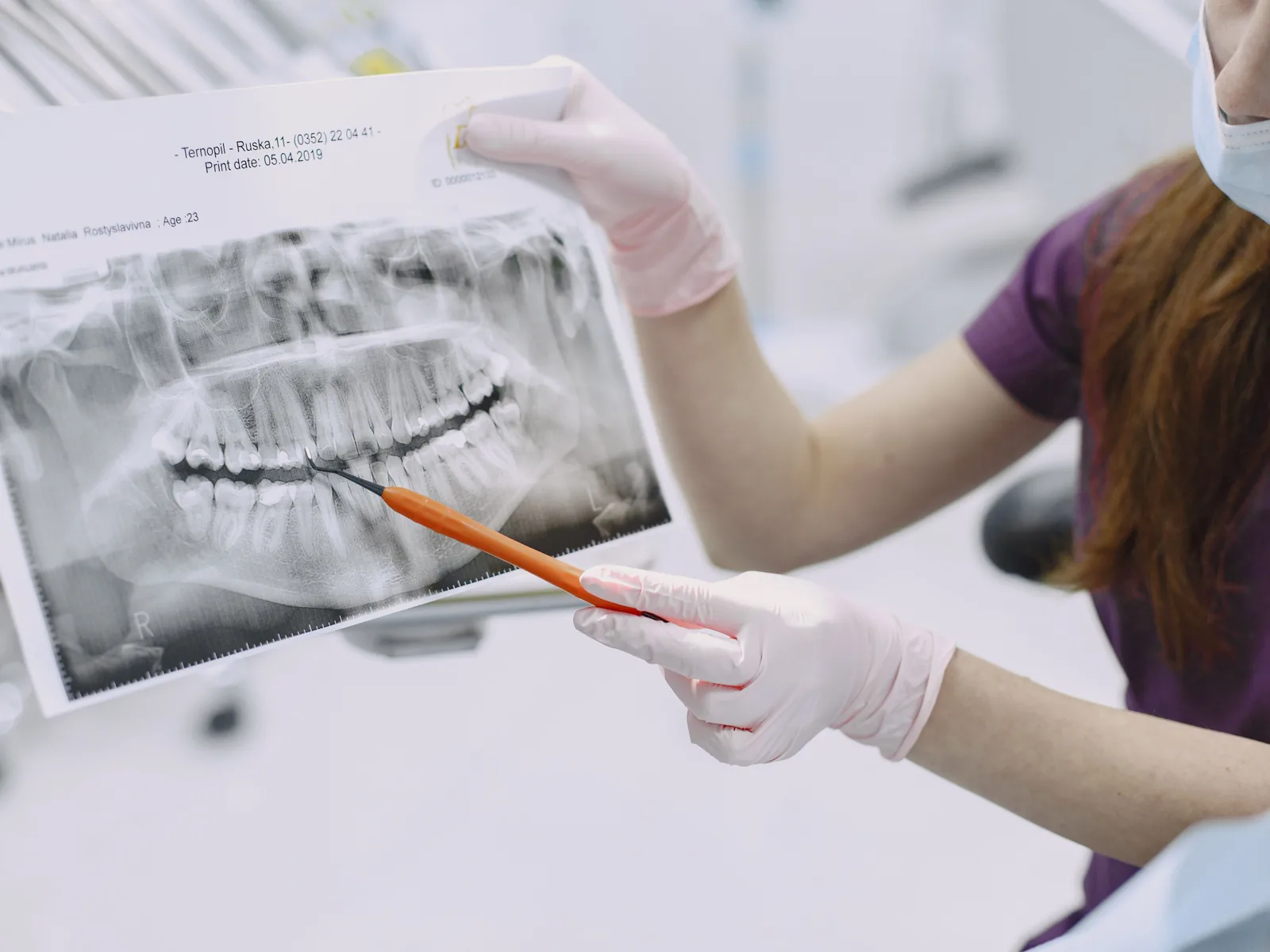
- Early bone loss around the teeth on your digital X-rays.
Not everyone with bleeding gums needs a deep cleaning. Mild gingivitis often responds to a thorough professional cleaning and improved home care. The dentist will assess your gums, review your X-rays and explain which approach fits your situation before anything is scheduled. If you have not been seen in some time, a comprehensive exam is a sensible place to start.
What to expect at your Lambton Dental appointment
- 1
Gum assessment and charting
We measure the pocket depth around each tooth, note bleeding and recession, and review your X-rays to see how the supporting bone looks.
- 2
Treatment plan and estimate
The dentist explains which areas need deep cleaning, how many visits are likely and what it will cost, so there are no surprises.
- 3
Numbing, if needed
A local anaesthetic may be used in the area being treated so that scaling below the gumline stays comfortable.
- 4
Scaling and root planing
Using hand and ultrasonic instruments, the hygienist removes plaque and tartar from the pockets and smooths the root surfaces, typically one quadrant or half of the mouth per visit.
- 5
Home-care coaching
We show you brushing and interdental cleaning techniques suited to your gums and may suggest a particular type of brush or rinse.
- 6
Re-evaluation
A few weeks later, we re-measure your gums to see how they have responded and set your periodontal maintenance schedule.
If the thought of gum treatment makes you anxious, tell us when you book. Nitrous oxide, oral and IV sedation options are available for anxious patients; the dentist reviews your health history first.
What happens next
Some tenderness and sensitivity to hot and cold are common for a few days after scaling and root planing, and your gums may bleed a little when you brush at first. Over-the-counter pain relief, a soft diet for the first day and warm salt-water rinses typically help. Keep brushing gently along the gumline and use the interdental tools we recommended; this is when your home care matters most.
At the re-evaluation visit, we measure your gum pockets again. Many patients see firmer gums and shallower pockets. From there, the dentist sets a periodontal maintenance schedule, often every three to four months rather than six, to keep the disease from returning. Where pockets remain deep, the dentist may discuss further periodontal treatment options or home-care trays, or a referral where appropriate.
Cost, insurance, and CDCP / IFHP coverage
The cost of scaling and root planing depends on how many quadrants need treatment, how much time each requires and whether local anaesthetic is used. After your gum assessment, we provide a written estimate that breaks this down by visit, and nothing is scheduled until you have reviewed it.
We accept all major Canadian dental insurance carriers and direct-bill wherever your plan allows, so you pay only your portion at each visit. Many plans have yearly limits on scaling units, and we can send a pre-determination to your carrier first so you know where you stand. We are also a provider for the Canadian Dental Care Plan (CDCP) and the Interim Federal Health Program (IFHP); coverage depends on your eligibility and the services provided, and we confirm what applies before your appointment.
If you are new to Lambton Dental, the $99 new patient cleaning for new adult patients includes an exam and necessary X-rays; if that exam shows your gums need deep cleaning, we will explain the recommended treatment and provide a separate quote. See our payment options for more.
For larger treatment plans, monthly payment plans through a third-party financing partner are available on approved credit — ask at your consultation or see our payment options.

Why patients choose Lambton Dental for gum treatment
- We chart and explain your gum measurements so you understand why deep cleaning is being recommended, not just that it is.
- Local anaesthetic and, for anxious patients, sedation options help keep longer appointments comfortable.
- Treatment is planned in stages that fit your schedule, with evening and weekend appointments available.
- We direct-bill major insurance carriers, CDCP and IFHP wherever the plan allows, and send pre-determinations when useful.
- Our team serves patients in English, French, Italian, Spanish, Portuguese, Hindi, Punjabi, Urdu, Tagalog, Vietnamese, Ukrainian, Mandarin and Cantonese.
Related services
Frequently asked questions
How is a deep cleaning different from a regular cleaning?
A regular cleaning removes plaque and tartar from the visible parts of the teeth and just under the edge of the gums, and it is meant for healthy or mildly inflamed gums. Scaling and root planing goes further below the gumline into the pockets created by gum disease and also smooths the root surfaces. It takes longer, is often done in sections, and a local anaesthetic may be used.
Does scaling and root planing hurt?
Most patients describe pressure and vibration rather than pain, particularly when a local anaesthetic is used to numb the area being treated. Afterwards, gums can feel tender and teeth may be sensitive to temperature for several days. If you are worried about discomfort, let us know in advance; we can adjust the pace, use anaesthetic more generously or discuss sedation options with the dentist.
How many appointments will I need?
That depends on how many areas of your mouth are affected and how deep the pockets are. Deep cleaning is typically done one quadrant or one half of the mouth per visit, so two to four appointments are common, followed by a re-evaluation a few weeks later. After your gum assessment, the dentist will tell you what to expect for your specific situation.
Will my gums grow back after a deep cleaning?
Gum tissue that has receded generally does not grow back on its own, but scaling and root planing can help the remaining gum tighten against the tooth and reduce pocket depth. Removing the source of inflammation also helps slow or stop further recession and bone loss. The dentist will explain what is realistic for your gums and whether other periodontal treatments may be helpful.
What happens if I skip periodontal maintenance afterwards?
Gum disease tends to return when the bacteria below the gumline are left undisturbed, which is why the dentist usually recommends maintenance cleanings every three to four months after deep cleaning. Skipping them increases the chance that pockets deepen again and that more involved treatment is needed later. Maintenance visits are shorter than the initial therapy and are the most reliable way to protect the progress you have made.
Does insurance cover scaling and root planing?
Many Canadian dental plans include scaling and root planing, but the number of units allowed each year varies, and coverage depends on your specific plan. We can submit a pre-determination before treatment so you know your portion in advance. Patients eligible for the CDCP or IFHP can also be treated under those programs; coverage depends on eligibility and the services provided, and we confirm before your appointment.
Book a gum assessment
New adult patients can begin with our $99 new patient cleaning, which includes a cleaning, exam and necessary X-rays. If deep cleaning is recommended, a treatment plan and quote are provided separately.
CDCP welcome
We welcome patients covered under the Canadian Dental Care Plan and can help you understand what's covered.
Learn about CDCP →IFHP welcome
We are registered to treat patients under the Interim Federal Health Program and bill Medavie Blue Cross directly.
Learn about IFHP →Direct billing
We bill all major Canadian dental insurance carriers directly, so you pay only what your plan does not cover.
How direct billing works →