Bad breath (halitosis) assessment at Lambton Dental
Persistent bad breath is common, rarely talked about and, in most cases, has a cause that starts in the mouth. Rather than masking it with mints, a bad breath assessment at Lambton Dental looks for the actual source, whether that is gum disease, plaque, a coated tongue, dry mouth or a hidden problem with a tooth or filling.

What is a bad breath assessment?
A bad breath assessment is a focused dental visit designed to find out why your breath smells the way it does and what can be done about it. Halitosis, the clinical term for persistent bad breath, most often comes from bacteria that live in the mouth and break down food debris and dead cells, releasing sulphur compounds with a characteristic odour. Those bacteria thrive on the tongue, between the teeth, below the gumline and around dental work that no longer fits well.
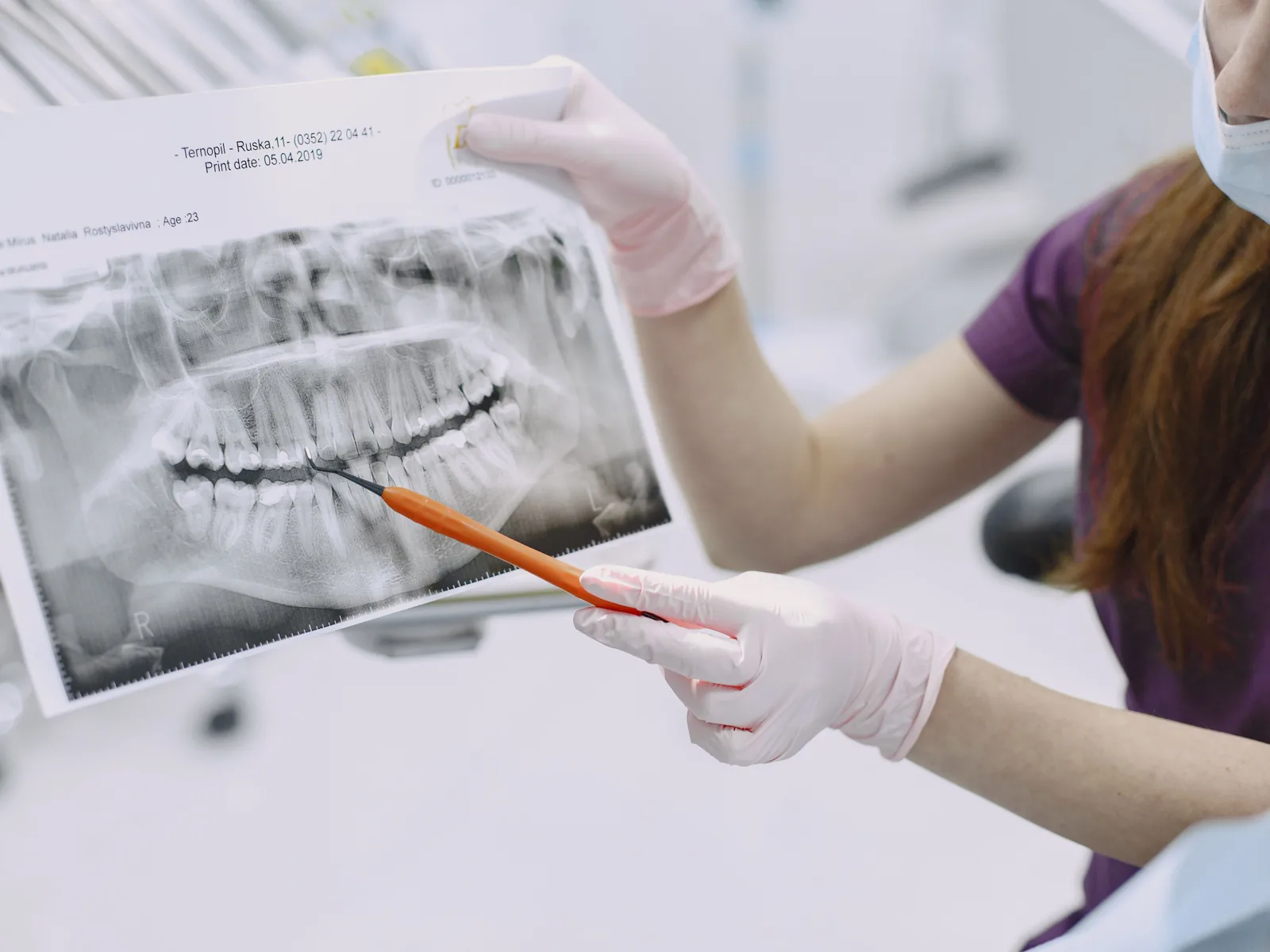
During the assessment the dentist reviews your history, examines the teeth, gums, tongue and soft tissues, checks existing fillings, crowns and dentures, and looks for signs of dry mouth. Digital X-rays may be taken if a hidden cavity or an infection around a tooth root is suspected. The goal is a specific explanation, not a general reassurance, so that the plan we build together addresses the real cause.


When should you book a bad breath assessment?
Morning breath and the after-effects of garlic or coffee are normal and pass on their own. It is worth booking an assessment if you:
- Notice bad breath that returns within an hour or two of brushing, or that others have commented on more than once.
- Have gums that bleed when you brush or floss, or that look red, puffy or pulled away from the teeth.
- Wake with a dry, sticky mouth, take medications known to reduce saliva, or breathe through your mouth at night.
- Have a persistent bad taste, a white or yellow coating on the tongue, or food that keeps catching in the same spot.
- Wear dentures or a partial and find the smell lingers even after cleaning them.
- Have tried stronger mouthwashes and extra brushing without lasting improvement.
Bad breath is sometimes the first sign of gum disease, which is far easier to manage when caught early. If you have not had a checkup in a while, a comprehensive exam can be combined with the assessment.
What to expect at your assessment
- 1
A frank conversation
We ask when the odour is worst, what you have already tried, how you clean your teeth and tongue, and about medications, diet, smoking, snoring and general health. Nothing you tell us is a surprise to a dental team.
- 2
Examination of teeth and dental work
The dentist looks for cavities, cracked or leaking fillings, food traps between teeth and crowns or bridges with edges where debris collects.
- 3
Gum and tongue check
We measure the pockets around your teeth for signs of gum disease, note any bleeding, and examine the tongue for coating, particularly toward the back.
- 4
Saliva and soft-tissue review
The dentist assesses how moist the mouth is, checks the cheeks, palate and throat, and asks about dry mouth symptoms. Digital X-rays are taken only if something needs a closer look.
- 5
Explanation and plan
We tell you what we believe is causing the odour and lay out a plan, which may combine professional cleaning, treatment of specific teeth, home-care changes and a follow-up to measure progress.
If anxiety has kept you from dealing with this, let us know when you book. Nitrous oxide, oral and IV sedation options are available for anxious patients; the dentist reviews your health history first.
How bad breath is treated once we know the cause
Treatment follows the findings. When plaque and tartar buildup are the main issue, a professional cleaning combined with better brushing, daily flossing and gentle tongue cleaning often brings a noticeable change within days. Where the gums show pockets and bleeding, the dentist may recommend scaling and root planing followed by periodontal maintenance at shorter intervals. A cavity, cracked filling or ill-fitting crown is repaired so that bacteria lose their hiding place, and dentures are checked for fit and cleaning routine.
For dry mouth, we look at contributing habits and medications, suggest ways to keep the mouth moist, and may recommend fluoride to protect teeth that are more vulnerable when saliva is low. If the mouth is healthy and the odour persists, the cause may lie in the sinuses, tonsils, digestive system or a general medical condition. In that case we write to your physician with our findings so the next step is clear, and we remain available for follow-up.
Cost, insurance, and CDCP / IFHP coverage
The cost of a bad breath assessment depends on what the visit involves, such as whether it is combined with an exam and cleaning and whether X-rays are indicated. Any treatment recommended afterwards, from a cleaning to periodontal therapy or a filling, is quoted in writing before it begins.
We accept all major Canadian dental insurance carriers and direct-bill wherever your plan allows, so you pay only your portion at the visit. We are also a provider for the Canadian Dental Care Plan (CDCP) and the Interim Federal Health Program (IFHP); coverage under these programs depends on your eligibility and the services provided, and we will confirm what applies to you before your appointment.
If you are new to the practice, our $99 new patient cleaning for new adult patients is a practical starting point, since it brings together a cleaning, an exam and any necessary X-rays on the first visit. A treatment plan and quote, if needed, are provided separately. See payment options for more.
For larger treatment plans, monthly payment plans through a third-party financing partner are available on approved credit — ask at your consultation or see our payment options.


Why patients come to Lambton Dental about bad breath
- We look for the specific cause rather than handing you a mouthwash, and we explain what we find without judgement.
- Hygiene, periodontal therapy and restorative care are all available under one roof, so the plan does not stall between offices.
- When the cause is not dental, we communicate directly with your physician so you are not left to work out the next step alone.
- Evening and weekend appointments make it easier to follow through with cleanings and rechecks.
- We direct-bill CDCP, IFHP and major insurance carriers so you are not left chasing paperwork.
- Our team serves patients in English, French, Italian, Spanish, Portuguese, Hindi, Punjabi, Urdu, Tagalog, Vietnamese, Ukrainian, Mandarin and Cantonese.
Related services
Frequently asked questions
Why do I still have bad breath when I brush twice a day?
Brushing cleans the surfaces of the teeth, but odour-causing bacteria also live between teeth, under the gumline and on the back of the tongue, where a toothbrush rarely reaches. Gum disease, a leaking filling or dry mouth can keep the smell going despite good brushing. An assessment pinpoints which of these applies to you so the fix is targeted.
Can gum disease cause bad breath?
Yes, and it is one of the most common causes we see. As plaque hardens into tartar below the gumline, pockets form around the teeth where bacteria multiply and release sulphur compounds. Bleeding gums, a persistent bad taste and breath that returns soon after brushing are typical signs. Treating the gum disease usually improves the breath as well.
Is mouthwash enough to deal with halitosis?
Mouthwash can freshen breath for a short time, but it does not remove tartar, repair a leaking filling or treat gum disease, so the odour usually returns. Some alcohol-based rinses can also dry the mouth, which may make things worse over time. We may recommend a specific rinse as part of a plan, but rarely as the whole solution.
Could my bad breath be coming from somewhere other than my mouth?
It can. Sinus infections, tonsil stones, acid reflux, certain medications and some medical conditions can all affect the breath. We start with the mouth because that is the most frequent source and the one we can treat directly. If the mouth is healthy and the problem persists, we write to your physician with our findings so they can investigate further.
How do I clean my tongue properly?
Gently brush or scrape the tongue from back to front once a day, ideally in the morning, using a soft toothbrush or a tongue scraper. Rinse the scraper between passes and stop if you feel any soreness. The coating toward the back of the tongue holds much of the odour, so reaching that area without gagging takes a little practice.
Does dry mouth make bad breath worse?
Saliva rinses away food particles and keeps bacteria in check, so when the mouth is dry, odour builds up more quickly. Dry mouth is often linked to medications, mouth breathing, snoring, dehydration or caffeine and alcohol. During the assessment we look for signs of low saliva and suggest practical ways to keep the mouth moist through the day and night.
Book a bad breath assessment
New adult patients can begin with our $99 new patient cleaning, which brings together a cleaning, exam and necessary X-rays. A treatment plan and quote, if needed, are provided separately.
CDCP welcome
We welcome patients covered under the Canadian Dental Care Plan and can help you understand what's covered.
Learn about CDCP →IFHP welcome
We are registered to treat patients under the Interim Federal Health Program and bill Medavie Blue Cross directly.
Learn about IFHP →Direct billing
We bill all major Canadian dental insurance carriers directly, so you pay only what your plan does not cover.
How direct billing works →