Dental bonding at Lambton Dental
Dental bonding uses a tooth-coloured composite resin to repair small chips, close narrow gaps and refine the shape of a tooth in a single visit. At Lambton Dental in West Toronto, bonding is shaped and polished by the dentist so the result blends into your natural smile.

What is dental bonding?
Dental bonding is a same-day repair in which a tooth-coloured composite resin is bonded to the surface of a tooth and shaped to correct a small defect. The material is the same family used for composite fillings, but bonding is usually placed on the outside of a tooth for shape, colour or minor cosmetic reasons rather than to fill a cavity.
Because the composite bonds directly to the enamel, very little — sometimes none — of the natural tooth structure needs to be removed. That makes bonding a conservative option compared with a veneer or crown, and one that can often be adjusted or replaced later if your needs change.
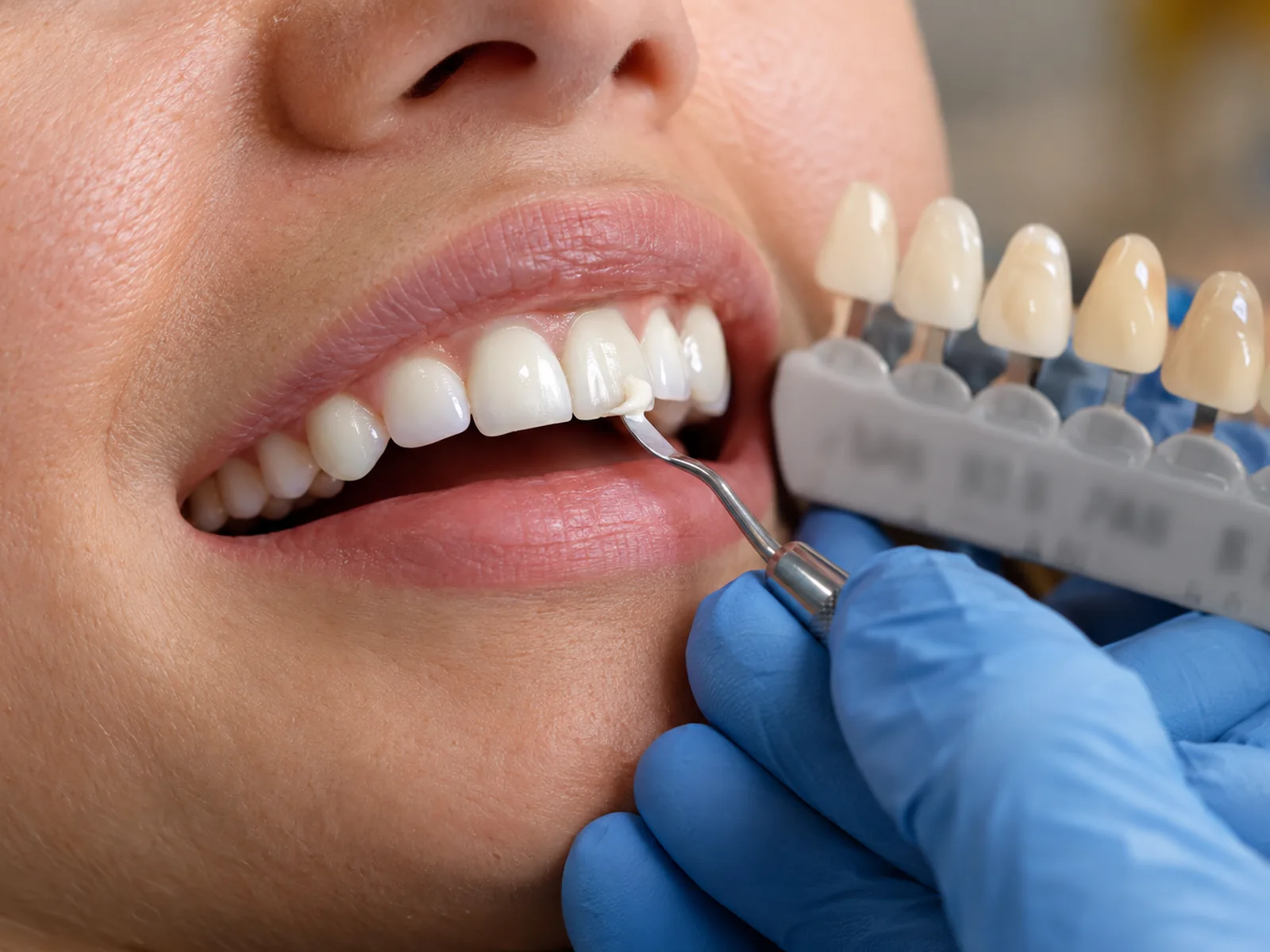

When bonding is the right choice
Bonding may be a good option when:
- A front tooth has a small chip or a rough edge that can be built back up.
- There is a narrow gap between two teeth that you would like closed without orthodontics.
- A tooth is slightly shorter, uneven or misshapen and could be refined in one visit.
- An area of exposed root or worn enamel near the gumline could be treated to reduce sensitivity and improve appearance.
- You would like a conservative, lower-cost step to improve a single tooth before deciding on a longer-term option such as a porcelain veneer.
If a tooth has a large cavity, a significant crack or heavy wear, a composite filling, crown or veneer may hold up better. The dentist will explain the trade-offs and provide a written plan before anything proceeds.
What to expect when you have bonding placed
- 1
Assessment and shade selection
The dentist examines the tooth, discusses the change you would like and selects a composite shade that matches your natural enamel, using a shade guide next to the tooth in good light.
- 2
Preparation
The surface of the tooth is cleaned and lightly conditioned so the composite will bond well. Most bonding does not require freezing, though local anaesthetic can be used if any area is close to the nerve or sensitive.
- 3
Bonding and shaping
The composite is placed and sculpted directly onto the tooth in the desired shape, then hardened with a curing light. Additional layers can be added to build the tooth back up gradually.
- 4
Contouring and polishing
The dentist trims the composite to match the natural anatomy of the tooth, checks your bite with articulating paper and polishes the surface so it feels smooth and looks natural.
- 5
Final review
You review the result in a hand mirror before you leave, and any refinements are made while you are still in the chair.
Nitrous oxide, oral sedation and IV sedation are available for anxious patients; the dentist reviews your health history first. See our sedation options page for more.
Looking after your bonded tooth
Bonded areas are ready to use straight away, and no downtime is needed. Some mild sensitivity to cold or air for a day or two is possible, especially if the area was near the gumline, and it usually settles quickly. Being gentle on the tooth for the first day and avoiding very hard foods on that side helps the composite settle in.
Composite resin can chip or wear with heavy biting forces, so it is sensible to avoid habits such as biting fingernails, opening packaging with your teeth or chewing pens. Coffee, tea, red wine and tobacco can gradually stain the surface over time, and regular professional cleanings help keep it looking fresh. If you grind, the dentist may suggest a custom night guard to protect the bonded area. Bonded teeth are checked at each recall visit for chipping, wear or staining, and small repairs are usually straightforward.

Cost, insurance, and CDCP / IFHP coverage
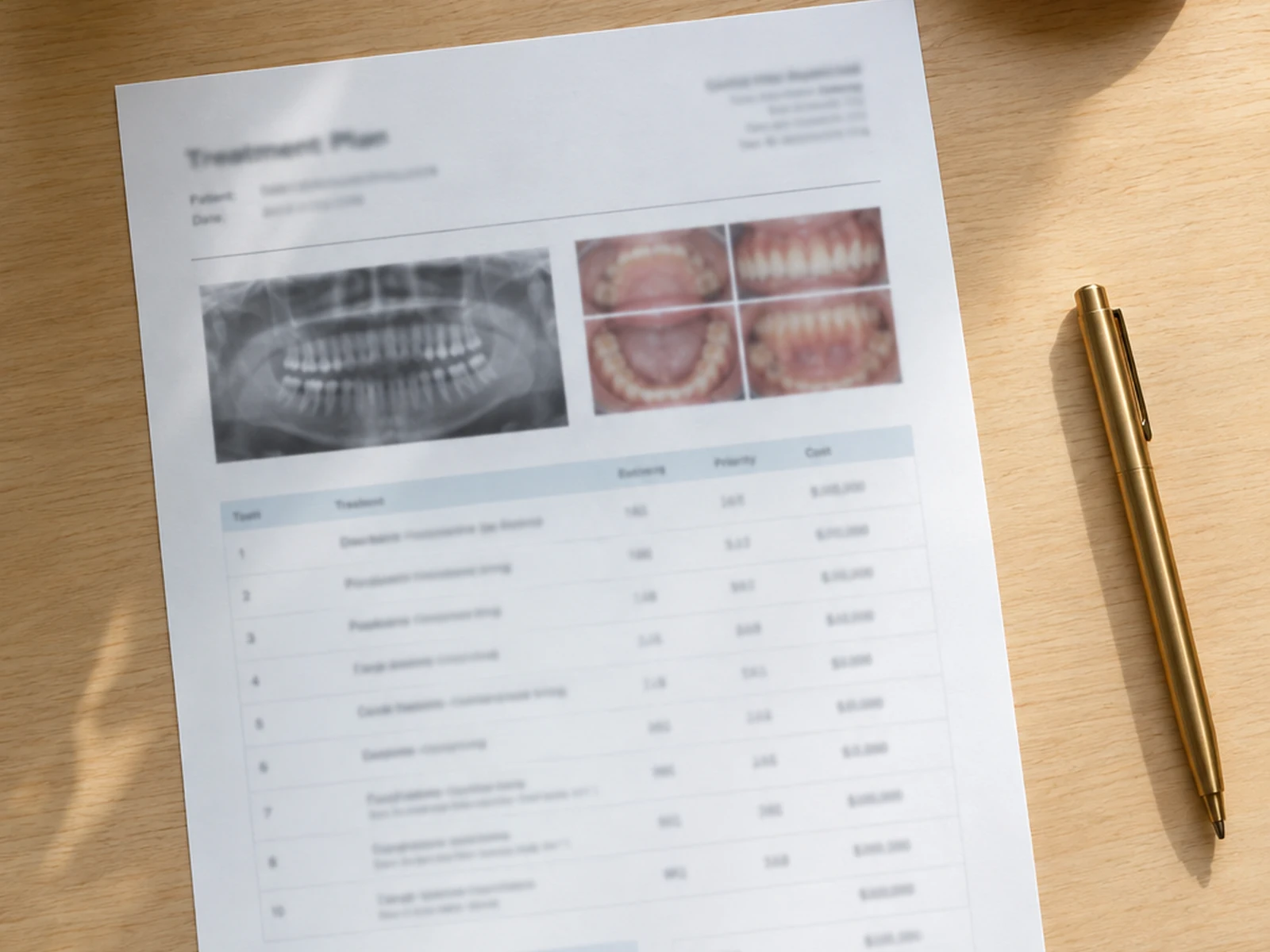
The cost of dental bonding depends on how many teeth are being treated and how much composite is needed. Because bonding is often quick and conservative, it is generally more cost-effective than a veneer or crown. The dentist provides a written estimate at the assessment so you can decide with the full picture in front of you.
We accept all major Canadian dental insurance carriers and direct-bill wherever your plan allows. Coverage for bonding depends on whether the treatment is considered restorative (for example, repairing a chipped or worn tooth) or purely cosmetic — restorative bonding is typically covered under basic services, while cosmetic bonding is often not. We check the details before treatment. Lambton Dental is also a provider for the Canadian Dental Care Plan (CDCP) and the Interim Federal Health Program (IFHP); coverage depends on your eligibility and the services provided, and we will confirm what applies before your appointment.
For patients without insurance, our payment options page explains billing openly.
For larger treatment plans, monthly payment plans through a third-party financing partner are available on approved credit — ask at your consultation or see our payment options.

Why patients choose Lambton Dental for bonding
- Bonding is placed by the dentist, shade-matched carefully and shaped in the chair with your input, so you can review it in a mirror before you leave.
- We explain honestly when bonding is a good conservative fit and when a veneer, crown or filling would hold up better in your case.
- Comfort is a priority: topical numbing, gentle freezing where needed and, for anxious patients, sedation options are available after a health review.
- We direct-bill CDCP, IFHP and major insurance carriers wherever your plan allows.
- Evening and weekend appointments make it easier to fit a same-day repair around your schedule.
- Our team serves patients in English, French, Italian, Spanish, Portuguese, Hindi, Punjabi, Urdu, Tagalog, Vietnamese, Ukrainian, Mandarin and Cantonese.
Related services
Frequently asked questions about dental bonding
How long does dental bonding last?
Longevity varies from patient to patient. Small bonded areas on front teeth often last several years when the patient avoids biting hard objects and keeps up with regular cleanings and exams. Bonded areas on biting edges or in patients who grind heavily may wear or chip sooner and are easily repaired or refreshed.
Is bonding better than a veneer?
It depends on the situation. Bonding is faster, less costly and more conservative, and it is often the right first step for a small chip, a narrow gap or a minor shape change. A porcelain veneer is more durable and stain-resistant, and is a stronger option when you want to change several teeth or reshape a whole smile. The dentist reviews the trade-offs with you.
Does bonding hurt?
Most bonding is placed without freezing, and many patients find the appointment itself very comfortable. Freezing is used when needed, for example if the area is close to the nerve or sensitive. Some mild cold or air sensitivity for a day or two afterwards is possible and usually settles quickly.
Can bonding be whitened?
Whitening products lighten natural enamel but do not change the shade of composite. If you are considering whitening, the dentist usually recommends whitening first and then matching new bonding to your lighter shade. Older bonding can be replaced to match a new tooth shade if it stands out.
Can bonding be removed or changed later?
Yes. Because bonding sits on the outside of the tooth and only a small amount of enamel is prepared, it can be adjusted, replaced or, in many cases, removed if your needs change. That reversibility is one of the reasons bonding is often a good conservative step.
Will my bonded tooth stain?
Composite can stain gradually with heavy coffee, tea, red wine or tobacco use. Regular cleanings help keep it looking fresh, and the dentist can polish or replace bonded areas that become noticeably discoloured. Reducing staining habits or rinsing after them slows the change.
Is bonding suitable for a broken front tooth in an emergency?
Often, yes. A small chip on a front tooth can frequently be bonded the same day so you leave with a natural-looking smile. Larger fractures may need a veneer, crown or root canal depending on how much of the tooth and nerve are involved, and the dentist will explain your options after examining it.
Book a bonding assessment
Book online or call (416) 666-3700 to arrange an assessment. The dentist will examine the tooth, discuss whether bonding is the right conservative option and provide a written estimate before any treatment is booked.
CDCP welcome
We welcome patients covered under the Canadian Dental Care Plan and can help you understand what's covered.
Learn about CDCP →IFHP welcome
We are registered to treat patients under the Interim Federal Health Program and bill Medavie Blue Cross directly.
Learn about IFHP →Direct billing
We bill all major Canadian dental insurance carriers directly, so you pay only what your plan does not cover.
How direct billing works →