Partial dentures and flippers at Lambton Dental
A partial denture replaces one or more missing teeth using a removable prosthesis that clips or rests against your natural teeth. At Lambton Dental in West Toronto, partials and short-term flippers are planned by the dentist and made by a dental laboratory so they fit comfortably and blend in with your remaining smile.

What are partial dentures and flippers?
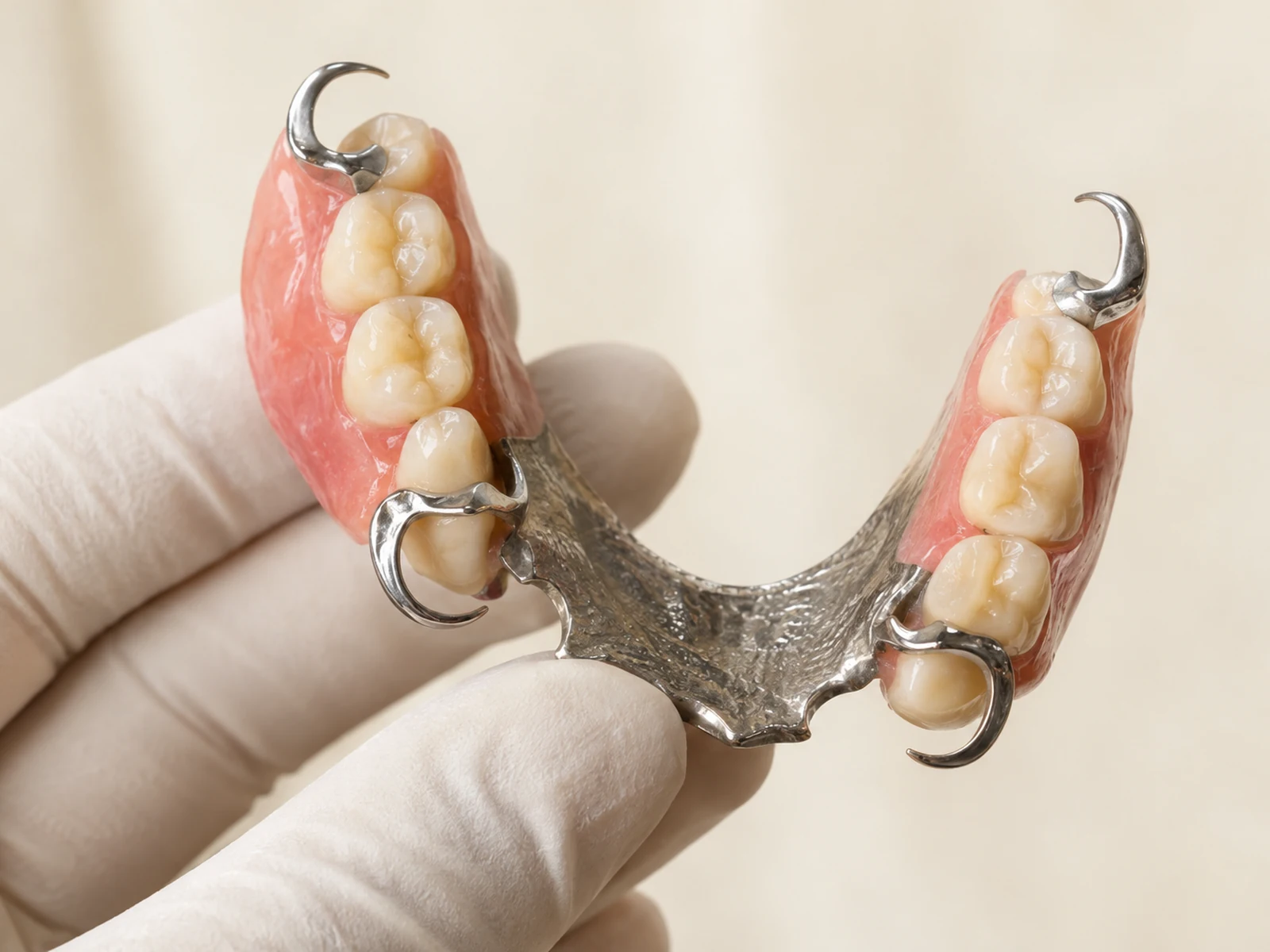
A partial denture is a removable replacement for one or more missing teeth in an arch that still has some healthy natural teeth. The base is usually pink acrylic that rests on the gum, and the framework may be metal (a cast partial), flexible thermoplastic or all acrylic. Small clasps or connectors rest against selected natural teeth to help keep the partial in place.
A flipper is a lightweight, single- or few-tooth acrylic partial that is usually a short-term solution — for example, while you heal from an extraction, wait for an implant to be placed, or complete a longer treatment plan. Because it is designed to be temporary, it is thinner and lower cost than a definitive partial, and the dentist will explain when a longer-term option should replace it.
When a partial or flipper is the right choice
A partial denture or flipper may be a good option when:
- One or more teeth are missing in an arch and you would like a removable rather than a fixed replacement.
- A fixed option such as a bridge or a dental implant is not suitable for medical, anatomical or financial reasons.
- You need a short-term replacement while an implant heals, an extraction site closes, or a definitive prosthesis is being planned.
- You would like a lower-cost solution to fill a visible gap while you consider longer-term options.
If most of your teeth in an arch are missing, the dentist may discuss complete dentures or full-arch implant solutions instead. The choice is made together, with a written treatment plan before anything is booked.
What to expect when you get a partial or flipper at Lambton Dental
- 1
Consultation and planning
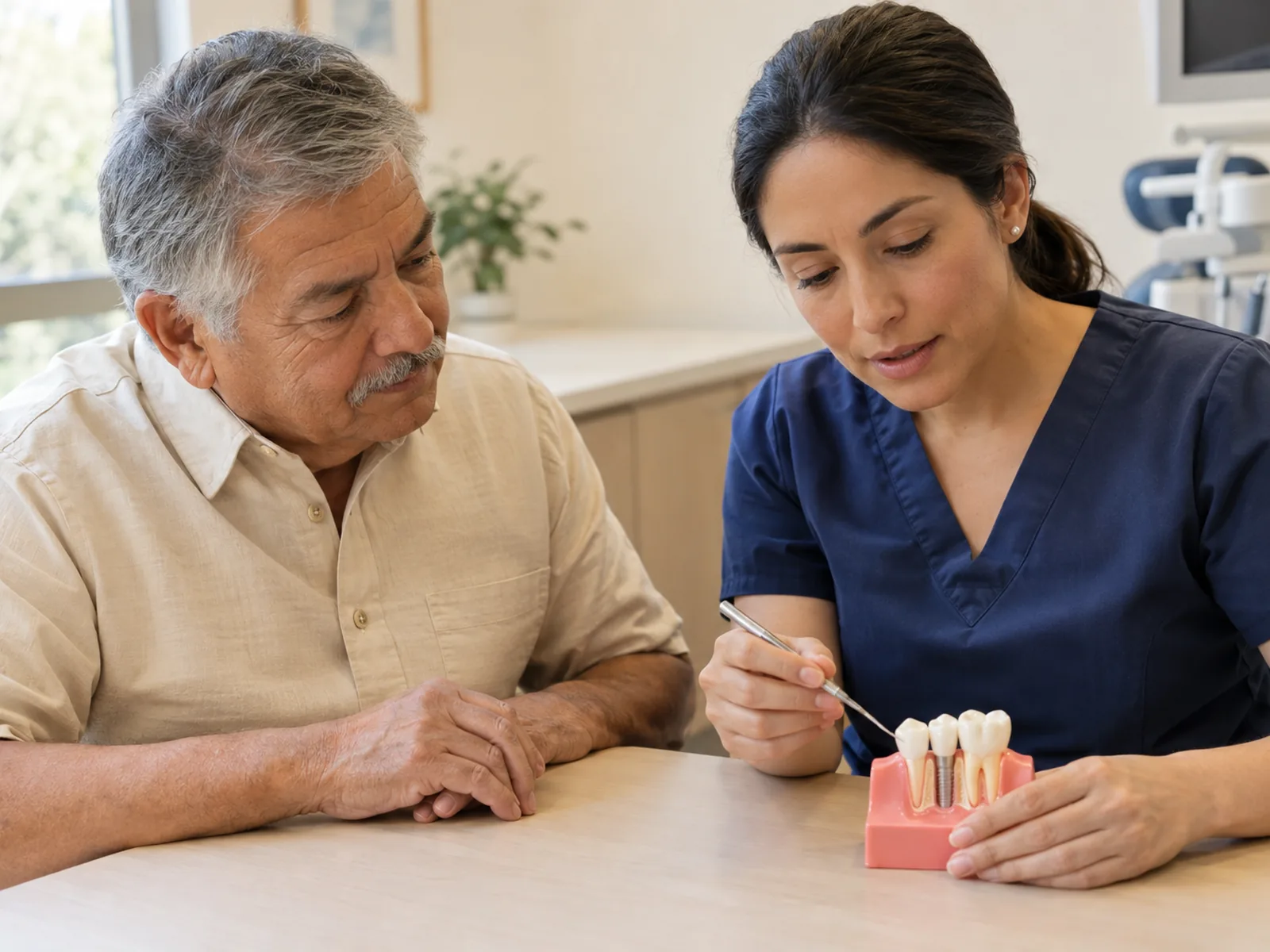
The dentist examines your teeth and gums, reviews X-rays and discusses which type of partial or flipper suits your situation, along with the trade-offs of fixed alternatives.
- 2
Preparation
Any teeth that will hold clasps may need small adjustments so the partial fits well, and any teeth that need extraction or restoration are addressed first.
- 3
Impressions and bite records
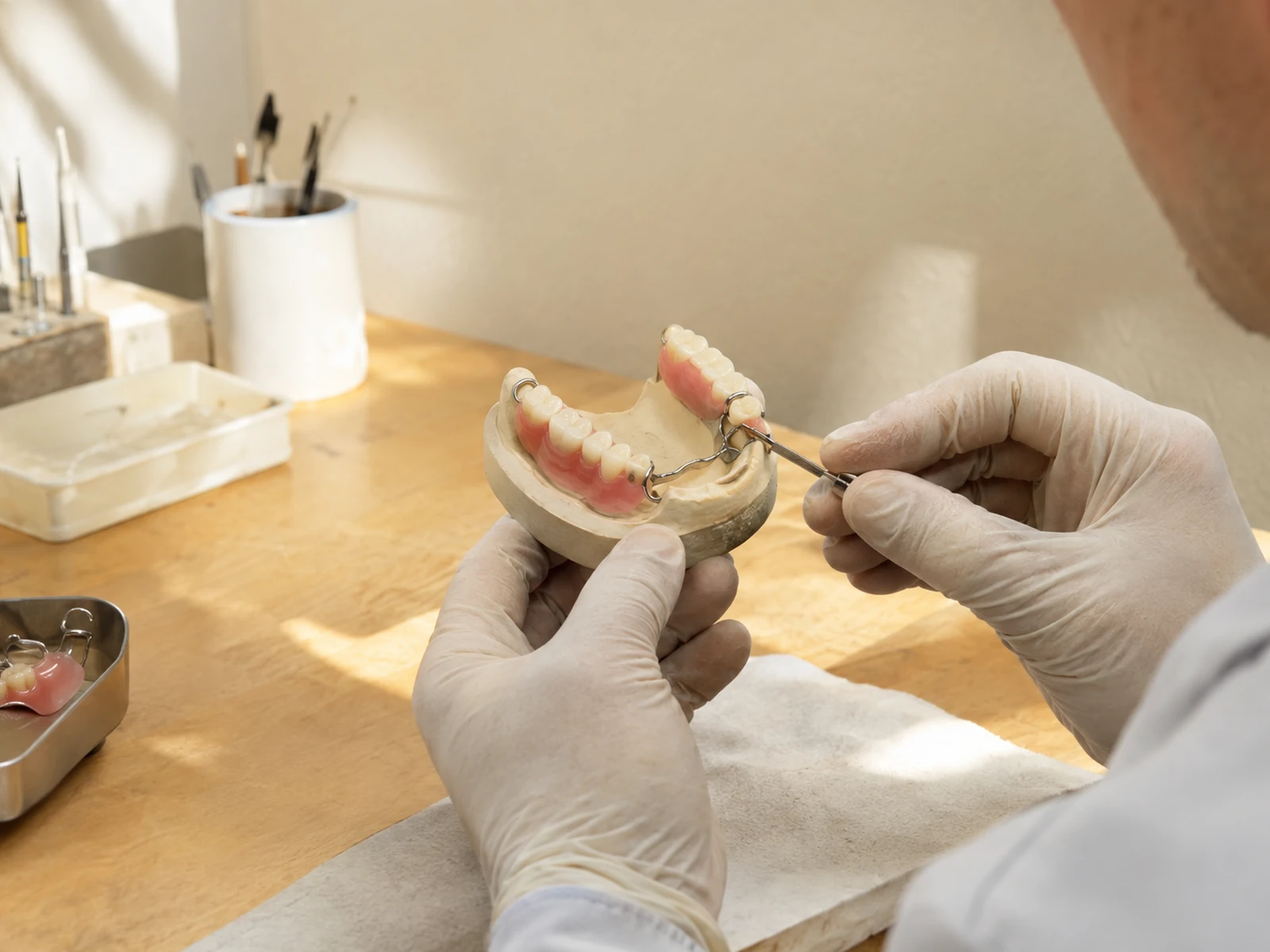
Impressions capture the shape of your remaining teeth and ridges, and bite records show how your upper and lower jaws relate. These go to the dental lab.
- 4
Try-in, where applicable
For cast partials, a framework try-in and a wax try-in of the tooth arrangement let you and the dentist confirm the fit, tooth position and shade before the prosthesis is finished.
- 5
Fitting
The finished partial is seated, the fit and bite are checked, and you leave with clear guidance on wearing, eating and cleaning it.
- 6
Adjustment visits
Short follow-up visits over the first few weeks let the dentist ease any sore spots and refine the fit as your mouth adapts.
Nitrous oxide, oral sedation and IV sedation are available for anxious patients; the dentist reviews your health history first. See our sedation options page for more.
Living with your partial or flipper
Give yourself a week or two to adjust. Speech and chewing usually feel unfamiliar at first and improve steadily as your tongue and cheeks adapt. Start with softer foods cut into small pieces, chew on both sides at once and take out the partial to give your tissues a rest as the dentist recommends. Small sore spots are common and easy to ease at a short adjustment visit.
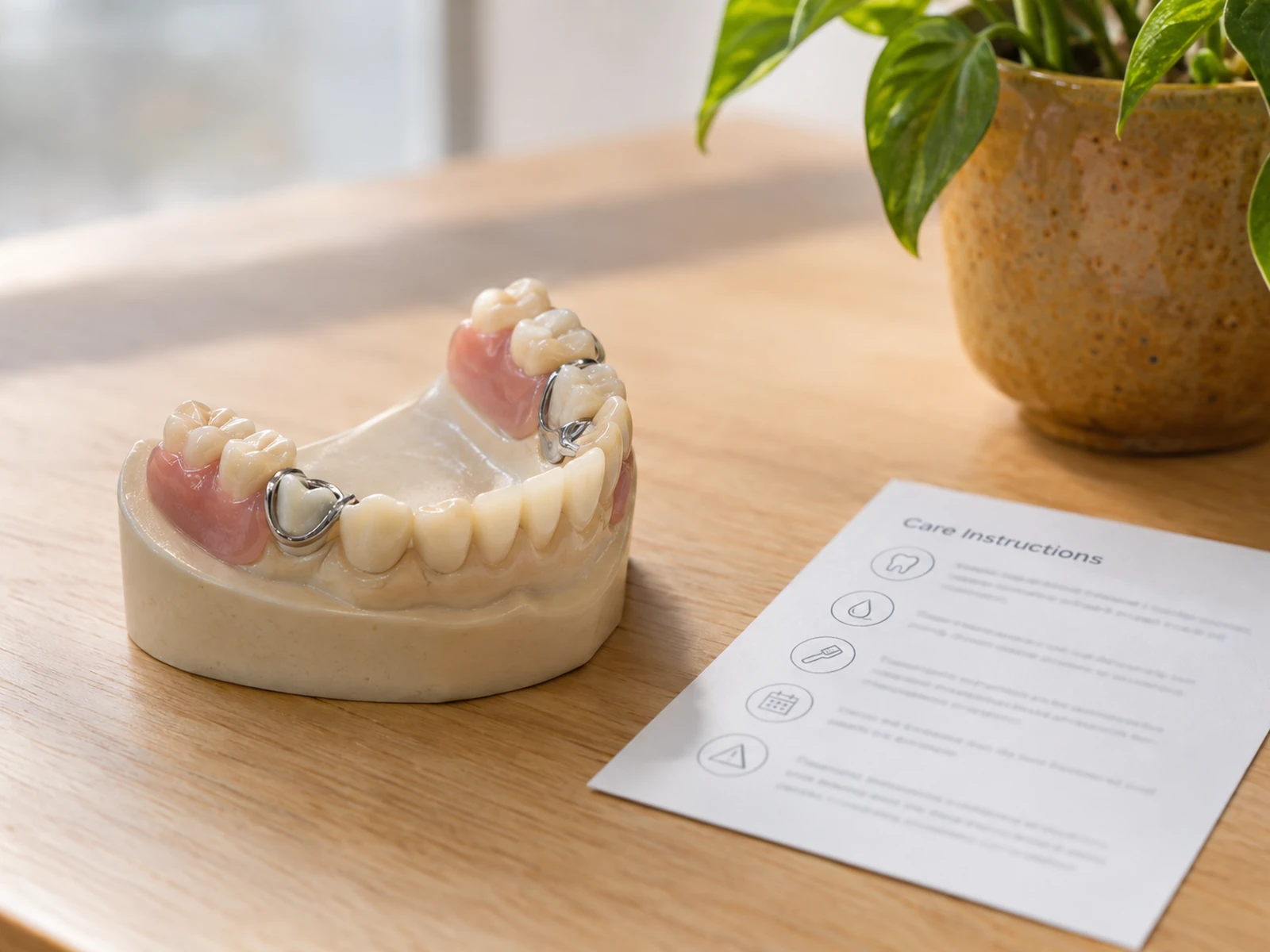
Partials are cleaned outside the mouth over a folded towel or basin of water so they are not damaged if dropped. Rinse after meals, brush the partial daily with a soft brush and denture cleaner rather than regular toothpaste, and soak it in water or a solution recommended by the dentist when it is not in use. Keep brushing and flossing your natural teeth carefully, especially where the clasps sit, and bring the partial to your recall visits so the dentist can check fit, the health of supporting teeth and whether an adjustment or replacement is needed.
Cost, insurance, and CDCP / IFHP coverage
The cost of a partial depends on the type and material — an acrylic flipper is typically the most cost-effective, a flexible thermoplastic partial sits in the middle, and a cast metal partial is usually the most involved to make. The dentist provides a written estimate before treatment begins, and financing is available for treatment plans that need it.
We accept all major Canadian dental insurance carriers and direct-bill wherever your plan allows. Most plans cover partials under major or prosthodontic services and often have a replacement frequency limit — commonly every five years — that we check before treatment. Where useful, we submit a pre-determination to your carrier. Lambton Dental is also a provider for the Canadian Dental Care Plan (CDCP) and the Interim Federal Health Program (IFHP); coverage for partials depends on your eligibility and the services provided, and we will confirm what applies before your appointment.
For patients without insurance, our payment options page explains billing openly.
For larger treatment plans, monthly payment plans through a third-party financing partner are available on approved credit — ask at your consultation or see our payment options.

Why patients choose Lambton Dental for partials and flippers
- The dentist reviews partial, bridge and implant options honestly so you can weigh the trade-offs for your mouth and budget.
- Partials and flippers are made by a dental laboratory using impressions and bite records tailored to your remaining teeth, with a try-in where appropriate before the final prosthesis is delivered.
- Comfort is a priority: topical numbing, gentle freezing where needed and, for anxious patients, sedation options are available after a health review.
- We direct-bill CDCP, IFHP and major insurance carriers wherever your plan allows, and we submit pre-determinations for major work.
- Evening and weekend appointments make it easier to fit the series of short visits around your schedule.
- Our team serves patients in English, French, Italian, Spanish, Portuguese, Hindi, Punjabi, Urdu, Tagalog, Vietnamese, Ukrainian, Mandarin and Cantonese.
Related services
Frequently asked questions about partial dentures and flippers
What is the difference between a partial denture and a flipper?
Both are removable prostheses, but a flipper is a lightweight, usually short-term acrylic appliance designed to fill a gap while you heal from an extraction or wait for a longer-term option such as an implant. A definitive partial denture is planned as a longer-term solution and is typically stronger, better fitting and more comfortable to wear for years.
Will a partial damage my remaining teeth?
A well-planned partial is designed to protect, not harm, the teeth it rests against. Careful home care is important, however, because plaque can build up around the clasps and where the partial contacts natural teeth. Regular cleanings and exams let the dentist watch for early decay or gum changes and adjust the partial as needed.
How long does a partial denture last?
Longevity varies from patient to patient. A well-made cast metal or flexible partial often lasts several years to a decade or more when the supporting teeth stay healthy and the partial is cared for daily. Flippers are designed for short-term use and are usually replaced by a definitive solution within months.
Can a partial replace a front tooth for special occasions?
Yes. A flipper is often used to fill a visible front-tooth gap during healing after an extraction or while an implant is planned, so you have a natural-looking smile for work and photos. The dentist will explain how to wear and care for it and when a longer-term option should follow.
Do I take my partial out at night?
In most cases the dentist recommends removing it at night to let your gums and supporting teeth rest and to make cleaning easier. There are situations where a partial may be worn longer in the first few days after delivery; follow the guidance given for your specific case.
How do I clean my partial?
Rinse after meals, brush daily over a folded towel or basin of water with a soft denture brush and denture cleaner rather than regular toothpaste, and soak it in water or a solution recommended by the dentist when it is out of your mouth. Never use hot water, which can warp the acrylic. Keep brushing and flossing your natural teeth carefully, especially where the clasps sit.
Can a partial be adjusted if it feels sore or loose?
Yes. Small sore spots or a slight looseness are common as the mouth adapts, and short adjustment visits are a normal part of the process. If a partial has become loose over time because of changes in the supporting teeth or ridges, the dentist can often reline or modify it, or discuss when replacement is worth considering.
Book a partial denture consultation
Book online or call (416) 666-3700 to arrange a consultation. The dentist will examine your mouth, review your options for replacing missing teeth and provide a written estimate before any treatment is booked.
CDCP welcome
We welcome patients covered under the Canadian Dental Care Plan and can help you understand what's covered.
Learn about CDCP →IFHP welcome
We are registered to treat patients under the Interim Federal Health Program and bill Medavie Blue Cross directly.
Learn about IFHP →Direct billing
We bill all major Canadian dental insurance carriers directly, so you pay only what your plan does not cover.
How direct billing works →