Digital dental X-rays at Lambton Dental
Much of what matters in a mouth happens where the eye cannot see: between the teeth, under old fillings and beneath the gums. Digital dental X-rays in Toronto at Lambton Dental let the dentist look there with lower radiation than traditional film, and because the images appear immediately, we can review them with you on the spot.
What are digital dental X-rays at Lambton Dental?
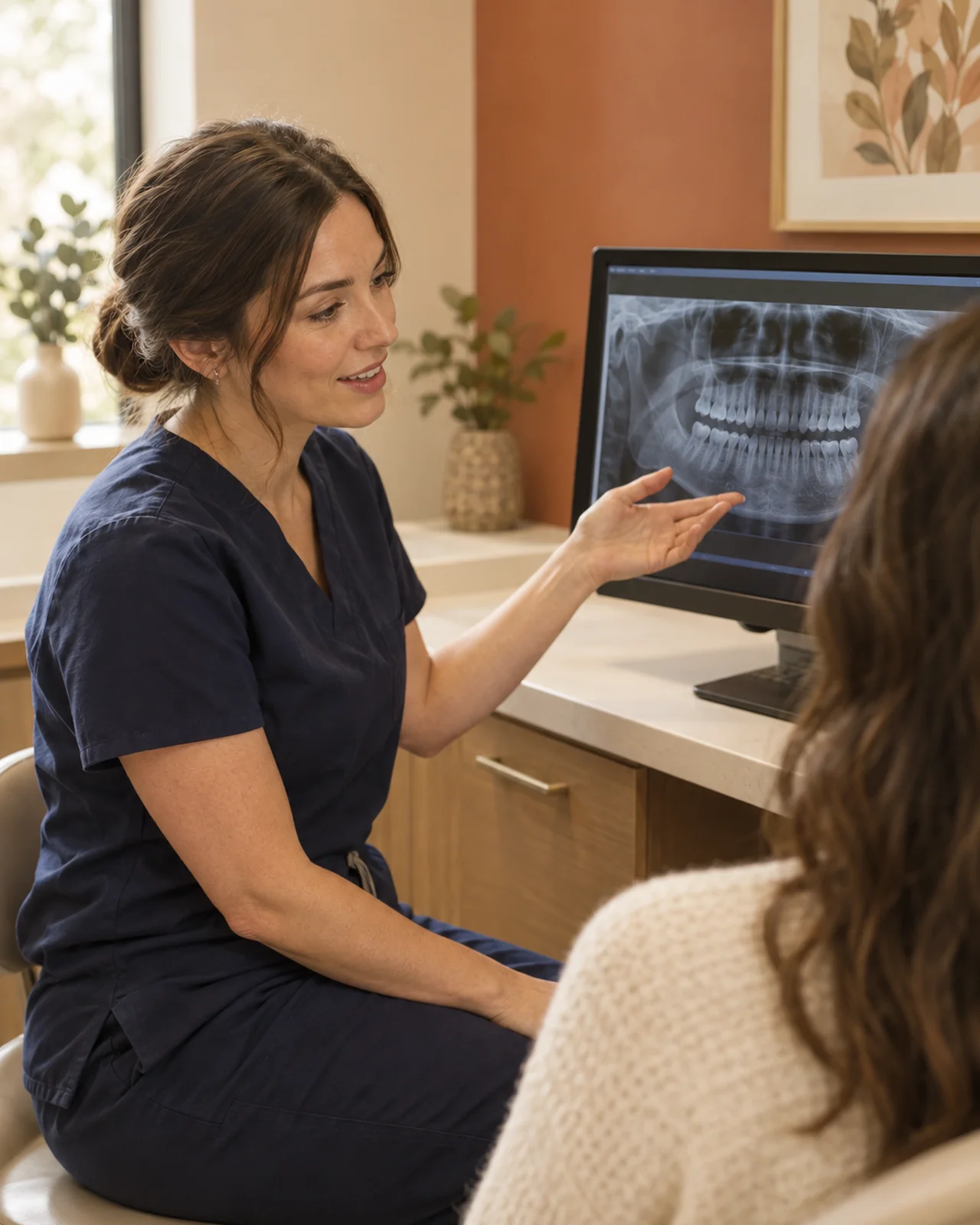
Digital dental X-rays use a small electronic sensor instead of film to capture images of your teeth, roots, jawbone and the spaces in between. The sensor is placed in your mouth, the exposure takes a fraction of a second and the image appears on a screen moments later.
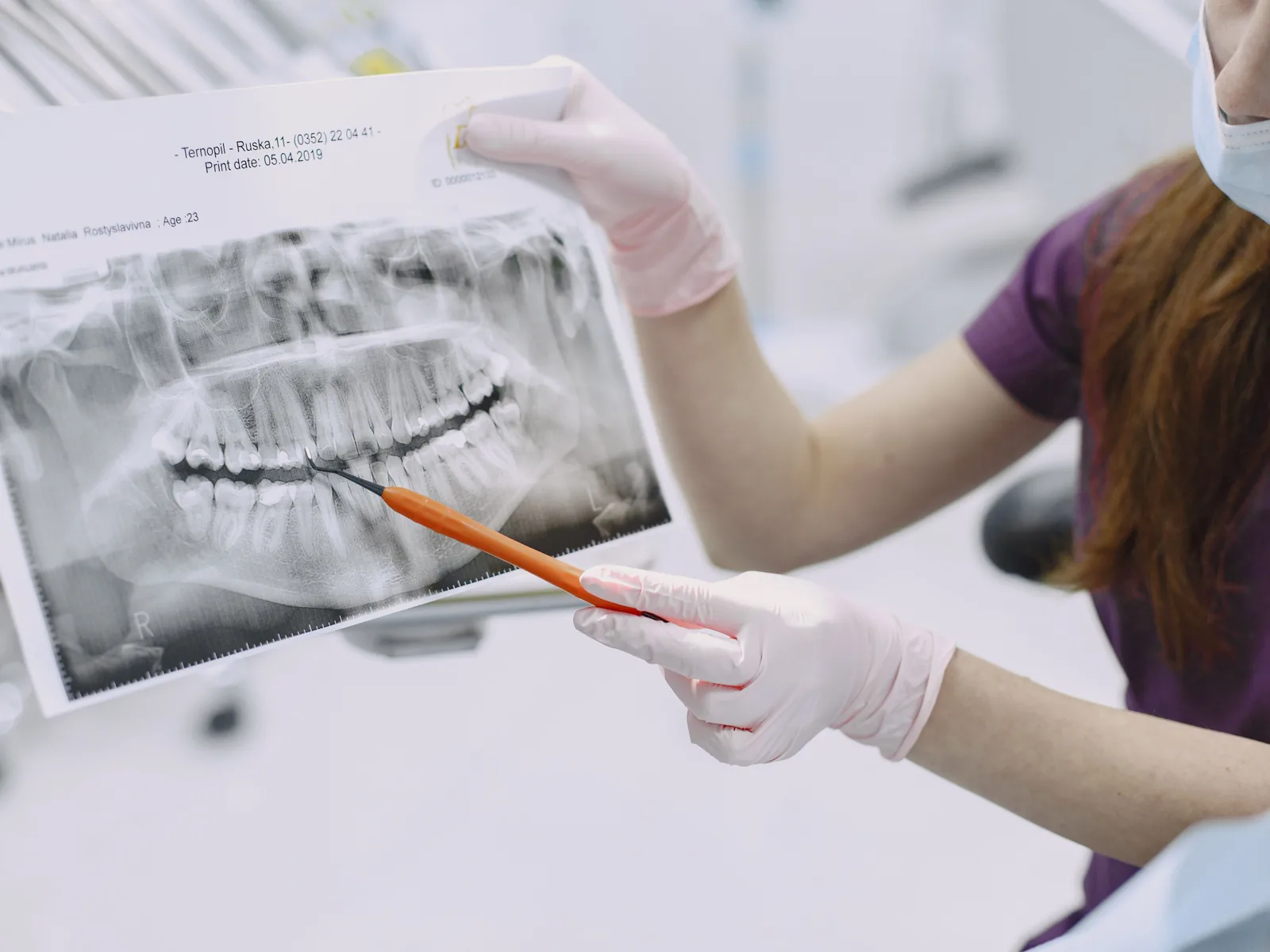
Bitewing X-rays show the upper and lower back teeth together and are used to look for decay between teeth and to check the bone level. Periapical X-rays capture one or two whole teeth from crown to root tip and are useful for assessing infection, root shape or a tooth that is causing pain. When a wider view of the jaws is needed, for example for wisdom teeth or developing teeth, the dentist explains which type of image is appropriate and why.

When digital X-rays are right for you
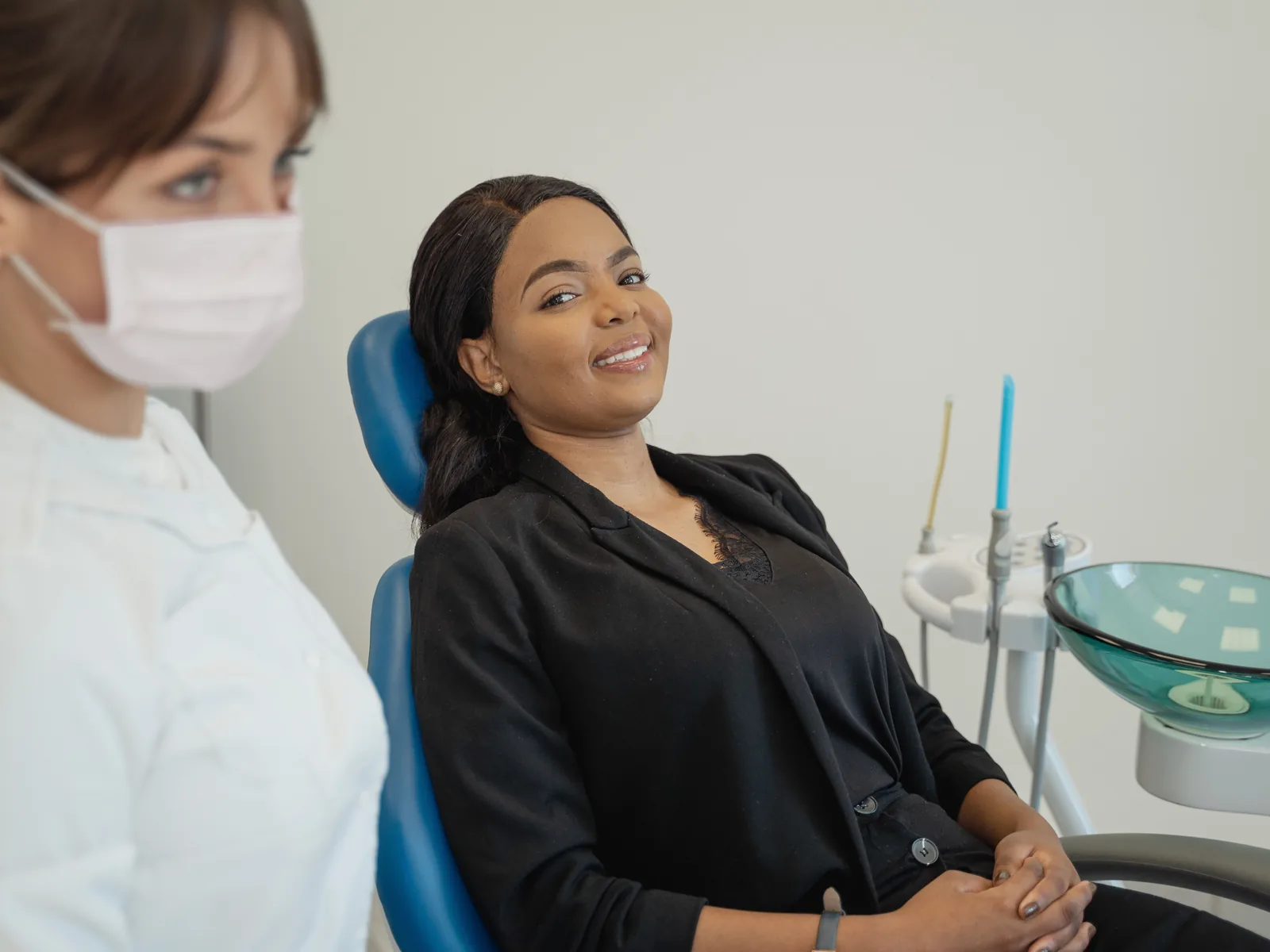
X-rays are not a routine part of every visit at Lambton Dental. The dentist recommends them only when they are clinically indicated, based on your history, your cavity and gum-disease risk and what the clinical exam shows. Situations where imaging typically adds useful information include:
- A new patient exam or comprehensive exam where no recent images are available from a previous office.
- Checking between tight back teeth for decay that cannot be seen directly.
- Investigating pain, swelling or a suspected infection at the root of a tooth.
- Assessing bone levels when gum disease is suspected or being monitored.
- Tracking how children’s permanent teeth are developing, or checking wisdom teeth in teens and adults.
- Planning treatment such as fillings, root canals, extractions or implants.
If you have recent X-rays from another dentist, let us know. We can request them so that imaging is not repeated unnecessarily. And if you are or may be pregnant, please tell us before any X-ray is taken so the dentist can decide whether it can wait.
What to expect when X-rays are taken at Lambton Dental
- 1
Deciding whether X-rays are needed
The dentist reviews your history and exam findings and explains why a particular image is being recommended and what it will show.
- 2
Protective measures
You may be given a lead apron with a thyroid collar, and we ask about pregnancy or any other reason to postpone before proceeding.
- 3
Positioning the sensor
A small sensor is placed in your mouth and held in position with a bite tab or holder. If a different type of image is needed, the dentist explains what to expect before it is taken.
- 4
A brief exposure
The X-ray itself takes a fraction of a second. If an image needs to be retaken, the dentist or assistant will explain why.
- 5
Reviewing the images together
Your X-rays appear on the screen right away, and the dentist walks you through what they show and how it relates to any recommendations.
Digital X-rays are typically taken as part of an exam or cleaning rather than as a stand-alone visit. If you are a new adult patient, any necessary X-rays are part of the $99 new patient cleaning.
What happens next
Because digital images are available immediately, there is no waiting for film to develop. The dentist reviews the X-rays during your appointment, points out anything of note and explains what it means in plain language. Often the news is simply that everything looks as expected. Where an X-ray shows something that needs attention, such as decay between teeth, a cracked filling or bone loss, we discuss the options and provide a written treatment plan and estimate.
Your images stay in your file and become a useful baseline. At future visits, the dentist can compare new X-rays with earlier ones to see whether a small area of concern is stable or changing, which sometimes means a problem can be monitored rather than treated right away. How often you need new images depends on your individual risk; many patients with healthy mouths need bitewings only every couple of years.
Cost, insurance, and CDCP / IFHP coverage
The cost of dental X-rays depends on the type and number of images the dentist recommends. We tell you what is being recommended and why before any image is taken, and X-rays are itemized in your written estimate so you can see exactly what you are paying for.
We accept all major Canadian dental insurance carriers and direct-bill wherever your plan allows, so you pay only your portion at the visit. Insurance plans often limit how frequently certain X-rays can be claimed, and we keep track of this so you are not caught off guard. We are also a provider for the Canadian Dental Care Plan (CDCP) and the Interim Federal Health Program (IFHP); coverage depends on your eligibility and the services provided, and we confirm what applies before your appointment.
New adult patients can take advantage of our $99 new patient cleaning, which includes a cleaning, exam and any necessary X-rays on the first visit. A treatment plan and quote, if needed, are provided separately. See payment options for more.
For larger treatment plans, monthly payment plans through a third-party financing partner are available on approved credit — ask at your consultation or see our payment options.

Why patients choose Lambton Dental for their dental imaging
- X-rays are taken only when clinically indicated, and the dentist explains the reason for each image before it is taken.
- Digital sensors use lower radiation than traditional film, and images appear immediately so we can review them with you.
- We request previous X-rays from your former dental office whenever possible so imaging is not repeated unnecessarily.
- We direct-bill major insurance carriers, CDCP and IFHP wherever the plan allows and keep track of your plan's imaging limits.
- Any necessary X-rays are part of the $99 new patient cleaning for new adult patients.
Related services
Frequently asked questions
Are digital dental X-rays safe?
Digital X-rays use lower radiation than traditional film, and the dose from a dental image is small. We also use protective aprons and take X-rays only when the dentist believes they will provide information that changes or confirms your care. If you have concerns about radiation, raise them with us; the dentist will explain the reasoning behind any recommendation and is happy to discuss alternatives or timing.
How often will I need X-rays?
There is no fixed schedule. The dentist bases the interval on your history, your risk of cavities and gum disease, and what the clinical exam shows. Patients with healthy mouths and few fillings typically need bitewings less often than those with a history of decay or gum problems. Children’s needs also change as their permanent teeth come in, so the dentist reassesses at each visit.
Can I have dental X-rays if I am pregnant?
Please tell us if you are or might be pregnant before any imaging. In many cases, routine X-rays can simply be postponed until after the baby arrives. If you have pain or a suspected infection, the dentist will weigh the benefit of the image against the situation and discuss it with you, using protective shielding and limiting the number of images if X-rays are needed.
Do I need new X-rays if my previous dentist took some recently?
Usually not. With your permission, we contact your former dental office and request copies of recent X-rays so we do not repeat imaging you have already had. Digital files transfer easily between offices. The dentist reviews the images along with your exam and only recommends new ones if something has changed or the existing images do not show what is needed.
What is the difference between bitewing and periapical X-rays?
Bitewings show the upper and lower back teeth together and are mainly used to find decay between teeth and check bone levels. Periapical X-rays show one or two whole teeth from crown to root tip, which helps in assessing infection or root problems. If a wider view of the jaws is needed, the dentist will discuss the appropriate imaging with you.
Are X-rays part of the $99 new patient cleaning?
Yes. The $99 new patient cleaning for new adult patients includes a cleaning, an exam and any X-rays the dentist finds necessary on the first visit. If no images are needed, none are taken. Should the exam and X-rays reveal something that requires treatment, we provide a treatment plan and quote separately, and you decide how to proceed.
Book an exam with digital X-rays
New adult patients can start with our $99 new patient cleaning, which includes a cleaning, exam and any necessary X-rays. A treatment plan and quote, if needed, are provided separately.
CDCP welcome
We welcome patients covered under the Canadian Dental Care Plan and can help you understand what's covered.
Learn about CDCP →IFHP welcome
We are registered to treat patients under the Interim Federal Health Program and bill Medavie Blue Cross directly.
Learn about IFHP →Direct billing
We bill all major Canadian dental insurance carriers directly, so you pay only what your plan does not cover.
How direct billing works →