Dental sealants at Lambton Dental
The chewing surfaces of back teeth are full of tiny pits and grooves where food and plaque collect and a toothbrush cannot always reach. Dental sealants in Toronto from our team seal those grooves with a thin protective coating, giving newly erupted molars a smoother, easier-to-clean surface during the years when they are most vulnerable to decay.
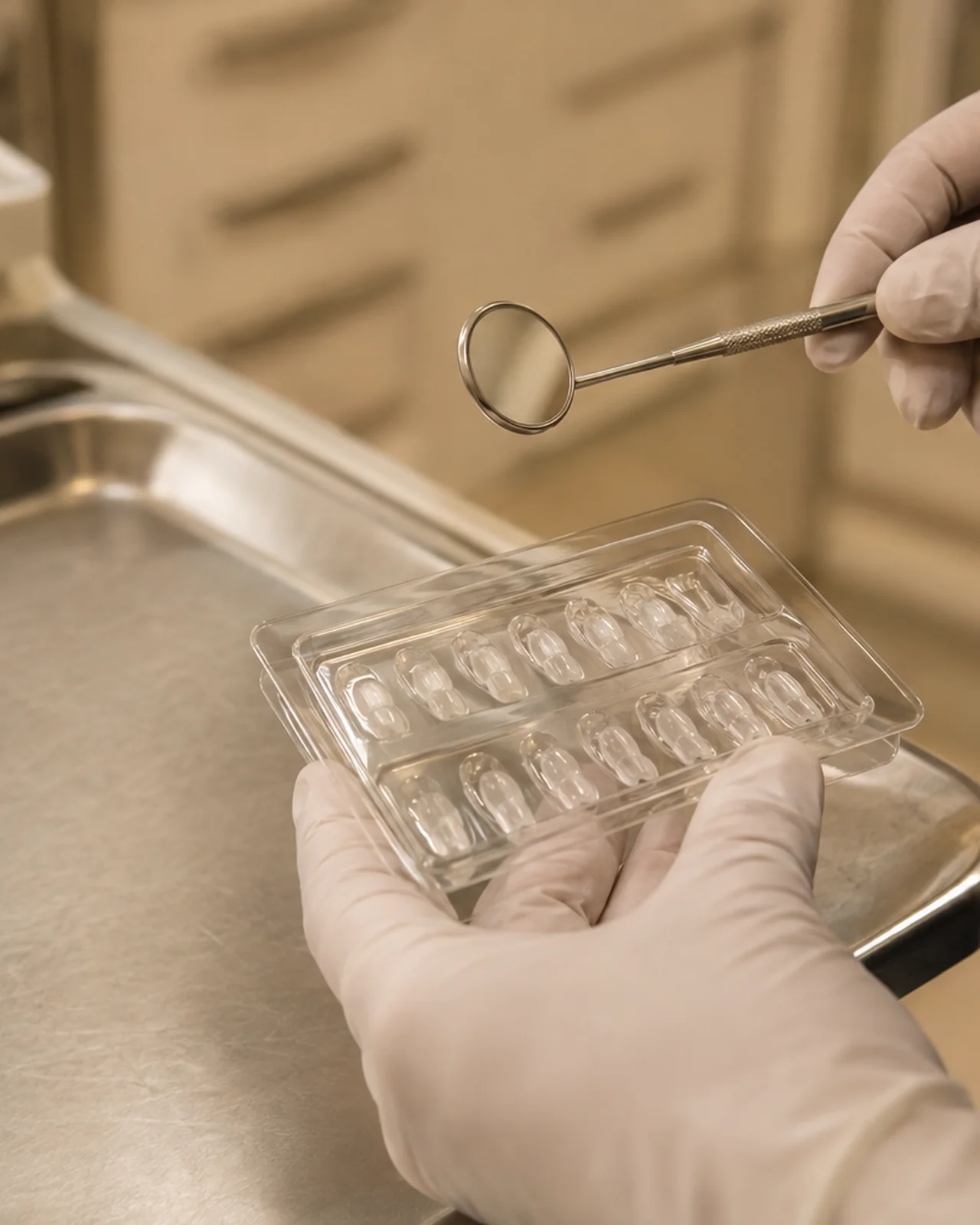
What are dental sealants and how do they work?
A dental sealant is a thin coating of tooth-coloured or clear resin that is flowed into the grooves on the chewing surface of a molar or premolar and then hardened. Once set, it forms a smooth barrier that keeps food particles and plaque bacteria out of the deep fissures where cavities on back teeth most commonly begin.
Sealants are preventive, not restorative. They are placed on healthy teeth, or on teeth showing only the very earliest signs of change, to stop decay from getting started. Typically no drilling and no anaesthetic are needed, because nothing is removed from the tooth; the surface is simply cleaned, prepared and coated. A sealant does not replace brushing, flossing or fluoride, but it works alongside them by protecting the one part of the tooth that home care struggles to keep clean.


When dental sealants may be recommended
Sealants are most often recommended for children and teenagers, ideally soon after the permanent molars come through. The first permanent molars typically erupt around age six and the second molars around age twelve, and sealing them early protects the grooves before plaque has a chance to settle in. Premolars and, occasionally, baby molars with especially deep grooves may also be sealed if the dentist feels they are at risk.
Adults are not excluded. The dentist may suggest sealants for a grown-up patient who has deep, narrow grooves on their back teeth, a history of cavities on chewing surfaces, or difficulty keeping those areas clean. Whether a sealant makes sense depends on the shape of each tooth and your overall cavity risk, so the recommendation is always made tooth by tooth at a routine checkup or a comprehensive exam, never as a blanket rule.
What to expect when sealants are placed at Lambton Dental
- 1
Assessment
The dentist examines each back tooth, sometimes with the help of a bitewing X-ray if one is already indicated, to confirm the tooth is healthy and a good candidate for sealing.
- 2
Cleaning the tooth
The chewing surface is thoroughly cleaned to remove plaque and debris from the grooves so the sealant can bond directly to the enamel.
- 3
Isolating and drying
Cotton rolls or a small shield keep the tooth dry, since saliva would interfere with the bond. Your child may be asked to keep their mouth open for a minute or two at a time.
- 4
Preparing the surface
A mild conditioning gel is placed on the grooves for a short time, then rinsed and dried. This roughens the enamel very slightly so the sealant grips properly.
- 5
Applying and setting the sealant
The liquid resin is painted into the grooves and hardened with a small curing light in a matter of seconds.
- 6
Checking the bite
The dentist confirms the sealant is smooth and does not interfere with how the teeth meet, making small adjustments if needed. Each tooth usually takes only a few minutes.
Parents are welcome to stay in the room, and we explain each step to younger patients as we go. Sealants are commonly placed at the same visit as a children's cleaning so no extra trip is needed.
What happens after sealants are placed
Your child can eat and drink normally as soon as the appointment ends, since the sealant is fully hardened by the light before they leave the chair. Some children notice the coated tooth feels slightly different for a day or two; this sensation fades quickly as they get used to it. We do suggest avoiding habits that could chip a sealant, such as chewing ice, hard candies or pen caps.
At every recall visit the dentist checks each sealant for wear or small chips and can touch up or reapply material where needed, which is quick and simple. With reasonable care, sealants often last several years, and their protective value is greatest during the period when a child is still developing brushing skills. Sealed teeth still need daily brushing and flossing, and fluoride may be recommended alongside them for broader protection of the smooth surfaces between and around the teeth.
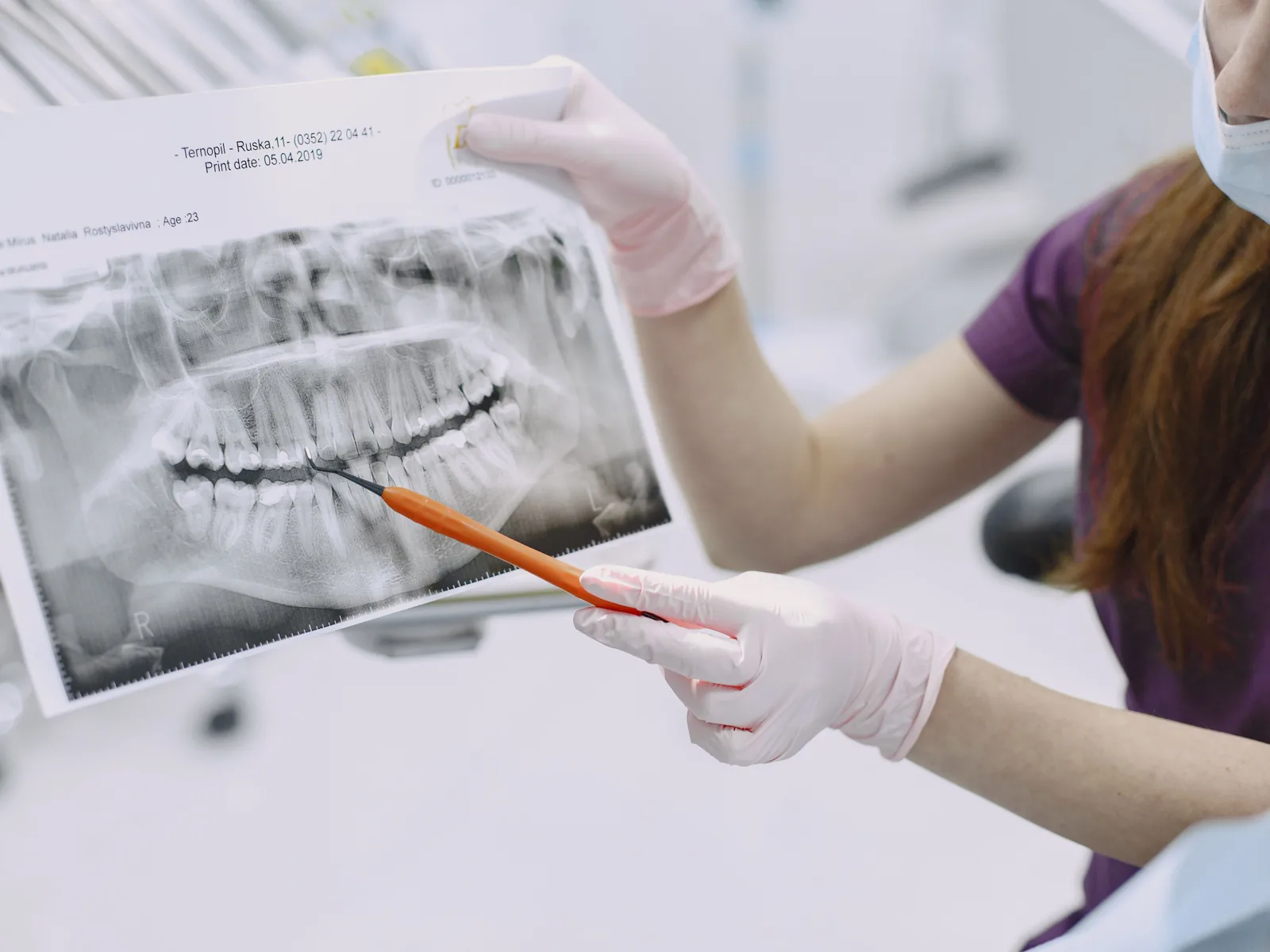
Cost, insurance, and CDCP / IFHP coverage
Sealants are priced per tooth, and the total depends on how many teeth the dentist recommends sealing. Because the procedure is quick and requires no drilling or anaesthetic, we provide the cost in writing before any sealants are placed.
We accept all major Canadian dental insurance carriers and direct-bill wherever your plan allows. Many plans include sealants for children up to a certain age, often limited to permanent molars, but the details differ from plan to plan; coverage depends on your plan and eligibility and we confirm before the appointment. We are also a provider for the Canadian Dental Care Plan (CDCP) and the Interim Federal Health Program (IFHP); coverage under these programs depends on your eligibility and the services provided, and we will confirm what applies to you before your appointment.
If you are a new adult patient bringing your child in, you can start your own care with our $99 new patient cleaning, which includes a cleaning, exam and any necessary X-rays on the first visit. See payment options for more.
For larger treatment plans, monthly payment plans through a third-party financing partner are available on approved credit — ask at your consultation or see our payment options.


Why families in West Toronto choose Lambton Dental
- Sealants are recommended tooth by tooth based on the dentist's assessment, not applied automatically to every molar.
- Children from age 3 are welcome, and our team is comfortable pacing a visit around a nervous or wriggly patient.
- Sealants can usually be placed during the same appointment as a cleaning, saving families a second trip.
- We direct-bill CDCP, IFHP and major insurance carriers so you are not left chasing paperwork.
- Our team serves patients in English, French, Italian, Spanish, Portuguese, Hindi, Punjabi, Urdu, Tagalog, Vietnamese, Ukrainian, Mandarin and Cantonese.
- Evening and weekend appointments help you fit preventive visits around school and work schedules.
Related preventive services
Frequently asked questions about dental sealants
At what age should my child get sealants?
The most common timing is shortly after the permanent molars erupt, which typically happens around age six for the first molars and around age twelve for the second molars. Sealing them soon after they appear protects the grooves before decay has a chance to begin. The dentist tracks eruption at each checkup and lets you know when a tooth is ready.
Does getting a sealant hurt?
Placing a sealant typically involves no drilling, no needles and no removal of tooth structure. The tooth is cleaned, conditioned with a mild gel, rinsed, dried and coated, then the coating is hardened with a light. Most children describe it as a bit odd rather than uncomfortable, mainly because the tooth has to stay dry for a few minutes while the sealant is applied.
How long do dental sealants last?
Sealants often last for several years, though this varies with chewing habits, diet and how well the tooth was kept dry during placement. The dentist inspects every sealant at your child’s recall visits and can repair or reapply material if a section has worn or chipped. That check is quick and is part of the routine exam rather than a separate appointment.
Can a cavity form under a sealant?
When a sealant is intact and well bonded, it keeps plaque and food out of the grooves, so decay underneath is unlikely. If a sealant chips or partially lifts, the exposed area can become vulnerable again, which is why regular checkups matter. The dentist also confirms the tooth is sound before sealing, and may use a bitewing X-ray if one is otherwise indicated.
Are sealants worthwhile for adults?
They can be. Adults with deep grooves on their back teeth, a history of cavities on chewing surfaces, or areas that are hard to keep clean may benefit from sealants just as children do. The dentist assesses each tooth individually and will only recommend a sealant where it is likely to offer real protection, rather than sealing teeth that are already easy to clean.
Will my child still need fluoride and regular cleanings after sealants?
Yes. Sealants protect only the chewing surfaces of the teeth they cover. The smooth surfaces, the areas between teeth and the gum line still rely on daily brushing and flossing, regular professional cleanings and, where recommended, fluoride treatment. Think of sealants as one layer of a broader preventive plan rather than a substitute for the other pieces.
Book a sealant assessment for your child
Book online or call (416) 666-3700 to arrange a checkup and cleaning. The dentist will let you know whether sealants are recommended and for which teeth.
CDCP welcome
We welcome patients covered under the Canadian Dental Care Plan and can help you understand what's covered.
Learn about CDCP →IFHP welcome
We are registered to treat patients under the Interim Federal Health Program and bill Medavie Blue Cross directly.
Learn about IFHP →Direct billing
We bill all major Canadian dental insurance carriers directly, so you pay only what your plan does not cover.
How direct billing works →