Wisdom tooth extraction at Lambton Dental
Wisdom teeth often crowd, angle awkwardly or become partially trapped under the gum, which can lead to pain, infection or damage to the neighbouring molar. At Lambton Dental in West Toronto, wisdom tooth removal is planned with digital imaging and performed by the dentist, with sedation available for patients who prefer it.

What is wisdom tooth extraction?
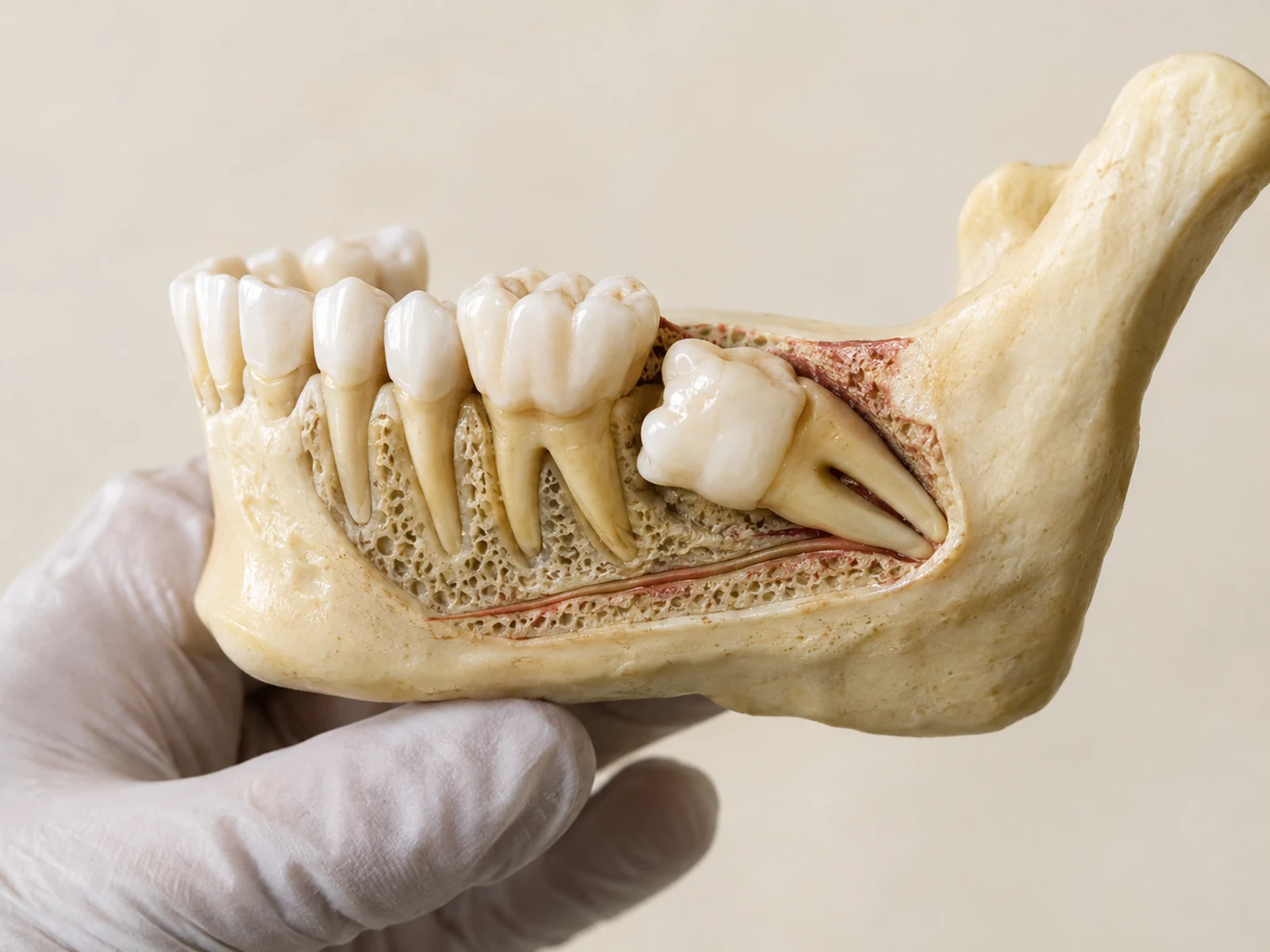
Wisdom teeth, or third molars, are the last teeth to develop, usually appearing in the late teens or early twenties. Many mouths do not have enough room for them, so wisdom teeth can come in tilted, become impacted under the gum or push against the tooth in front of them. When that happens, they can trap food and bacteria, cause repeated gum infections around the flap of tissue that covers a partially erupted tooth, or contribute to decay in a hard-to-reach neighbour.
Wisdom tooth extraction removes one or more of these third molars to relieve symptoms or prevent problems. Depending on how the tooth is positioned, it may be a straightforward extraction similar to any back tooth, or a more involved surgical removal where gum tissue is lifted or the tooth is sectioned to come out in pieces.

When wisdom tooth removal is the right choice
Not every wisdom tooth needs to be removed. Extraction is usually recommended when:
- A wisdom tooth is causing pain, repeated gum infections (pericoronitis), swelling or a bad taste from the area.
- An X-ray shows the tooth is impacted at an angle that is damaging the neighbouring molar or forming a cyst around the crown.
- The tooth is decayed or has periodontal disease around it that cannot be treated reliably because of its position.
- The orthodontist has requested removal as part of a plan for aligners or braces.
- The tooth is at risk of causing problems in the future and preventive removal is being considered before symptoms start.
Wisdom teeth that are fully erupted, easy to clean and not causing symptoms may not need to be removed, and the dentist will explain that honestly. Where a case is complex — for example, an impacted tooth close to the nerve or in an unusual position — a referral to an oral surgeon may be the right call, and we will say so.
What to expect with wisdom tooth extraction at Lambton Dental
- 1
Assessment and imaging
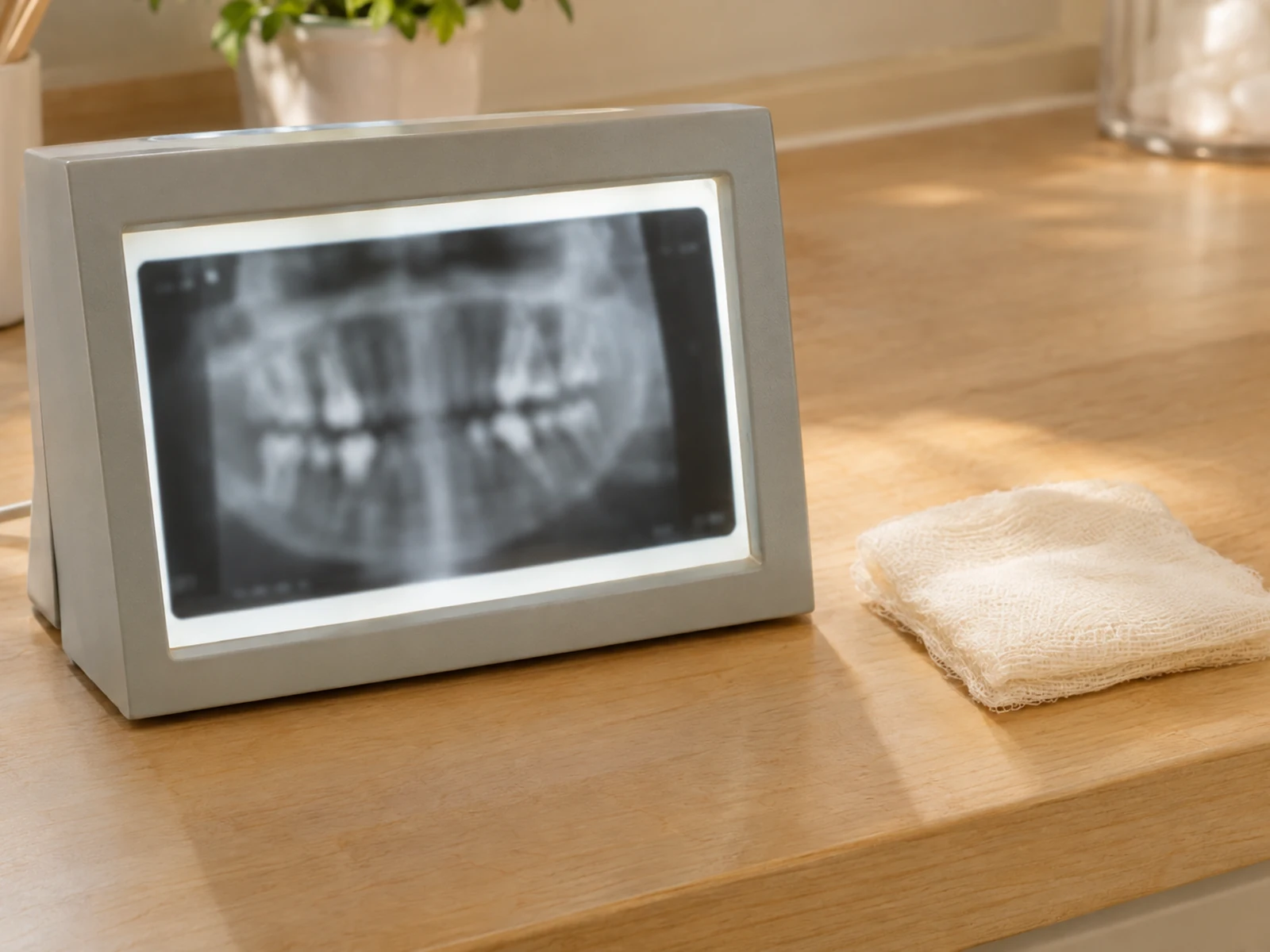
The dentist examines the area and reviews an X-ray — a panoramic X-ray, and where useful a cone-beam CT scan — so the position of the tooth, its roots and the nearby nerve can be seen clearly.
- 2
Discussion of options
The dentist explains whether extraction is recommended, whether one or more teeth should come out at the same time, and whether local anaesthetic alone or sedation would be more comfortable for you.
- 3
Medical review and consent
Your health, medications and allergies are reviewed, and we go through what to expect and any risks, so consent is informed. Instructions for the day of the extraction are provided.
- 4
Comfort and freezing
On the day, the area is numbed with local anaesthetic. Nitrous oxide, oral or IV sedation is available if you would like it, after the dentist reviews your health history.
- 5
Extraction
A straightforward wisdom tooth is lifted from its socket with instruments. An impacted or awkwardly positioned tooth may need a small gum incision and sometimes has to be sectioned so it can be removed in pieces. Stitches are placed where needed and often dissolve on their own.
- 6
Aftercare instructions
You leave with clear guidance on bleeding, swelling, eating, oral hygiene and any medication, along with a plan to check the site if needed.
If sedation is used, you must have a responsible adult drive you home and, ideally, stay with you for the rest of the day. This is arranged when the appointment is booked.
Healing after wisdom tooth extraction
Swelling, bruising and jaw stiffness are common for a few days after wisdom tooth removal, usually peaking around day two or three. Bite gently on the gauze for about 30 minutes and change it as needed until any bleeding slows. Cool compresses help for the first day; gentle warm compresses after 48 hours ease stiffness.
Eat soft, cool foods on the other side for the first day — yogurt, mashed potatoes, eggs and smoothies eaten with a spoon — and stay well hydrated. For the first 24 hours, avoid rinsing forcefully, spitting, drinking through a straw, smoking and hot foods so the protective blood clot is not disturbed. Start gentle salt-water rinses after the first day and keep the rest of your mouth clean with careful brushing. Persistent, throbbing pain a few days after the extraction can be a sign of dry socket, which is easily treated at a short visit, so please contact us. Stitches, if used, dissolve on their own or are removed at a short follow-up visit.

Cost, insurance, and CDCP / IFHP coverage
The cost of wisdom tooth extraction depends on how many teeth are being removed, how deeply they are positioned in the bone and whether sedation is used. The dentist provides a written estimate after the assessment and imaging, and financing is available for treatment plans that need it.
We accept all major Canadian dental insurance carriers and direct-bill wherever your plan allows. Most plans cover wisdom tooth extractions under basic or surgical services, sometimes at different percentages depending on whether the tooth was impacted. Where useful, we submit a pre-determination to your carrier so you know your out-of-pocket portion before the appointment. Lambton Dental is also a provider for the Canadian Dental Care Plan (CDCP) and the Interim Federal Health Program (IFHP); coverage depends on your eligibility and the specific procedure codes, and we will confirm what applies before your appointment.
For patients without insurance, our payment options page explains billing openly.
For larger treatment plans, monthly payment plans through a third-party financing partner are available on approved credit — ask at your consultation or see our payment options.

Why patients choose Lambton Dental for wisdom teeth
- Cases are planned with digital imaging so the tooth's roots and nearby nerve are seen clearly before treatment.
- The dentist explains honestly when a wisdom tooth needs removal and when it can be monitored instead.
- Comfort is a priority: topical numbing, careful freezing and nitrous, oral or IV sedation are available after a health review.
- Complex cases are referred to an oral surgeon when that is the right call.
- We direct-bill CDCP, IFHP and major insurance carriers wherever your plan allows, and we submit pre-determinations for surgical work.
- Our team serves patients in English, French, Italian, Spanish, Portuguese, Hindi, Punjabi, Urdu, Tagalog, Vietnamese, Ukrainian, Mandarin and Cantonese.
Related services
Frequently asked questions about wisdom tooth extraction
Do wisdom teeth always need to be removed?
No. Wisdom teeth that are fully erupted, easy to clean and not causing symptoms may not need to be removed. Removal is generally recommended when a tooth is causing pain, repeated infections or damage to the neighbouring molar, or when the position is likely to cause problems in the future. The dentist reviews your X-ray with you and gives an honest recommendation.
Does wisdom tooth removal hurt?
The area is numbed with local anaesthetic, and sedation is available if you would like it, so most patients find the appointment itself comfortable. Some swelling, bruising and jaw stiffness for several days afterwards is normal, and most patients manage well with over-the-counter pain relief and any medication the dentist provides.
How long does recovery take?
Most patients feel much better within about a week, though some tenderness and stiffness can linger for a little longer, especially with deeply impacted teeth. Planning a few quiet days at home, particularly for the first 48 hours, is sensible. Full bone healing under the gum continues for several months and is not something you feel.
Can all four wisdom teeth be removed at the same time?
Yes, in many cases, and this is often more efficient because you go through healing once. Whether it is right for you depends on how the teeth are positioned, your general health and how you would like the appointment to run. The dentist reviews the options with you and can plan the extractions in stages if you prefer.
Do I need to be asleep for wisdom tooth removal?
No. Many wisdom teeth are removed comfortably with local anaesthetic alone. Nitrous oxide, oral sedation and IV sedation are available for patients who prefer to feel more relaxed during the appointment, and the dentist reviews your health history before selecting an option.
What is dry socket and how common is it?
Dry socket happens when the protective blood clot is disturbed too early, leaving bone exposed. It causes a distinctive throbbing pain a few days after the extraction. It is more common with lower wisdom teeth and in patients who smoke or use straws in the first 24 hours. It is easily treated at a short visit if it happens.
When should wisdom teeth be assessed?
The late teens is a common time to review wisdom teeth on a panoramic X-ray, before they are fully in position. Assessing them earlier tends to make planning simpler if removal is recommended. Adults who have never had their wisdom teeth checked are welcome to book an assessment at any age.
Book a wisdom tooth assessment
Book online or call (416) 666-3700 to arrange an assessment. The dentist will review the position of your wisdom teeth on X-ray, explain your options honestly and provide a written estimate before any treatment is booked.
CDCP welcome
We welcome patients covered under the Canadian Dental Care Plan and can help you understand what's covered.
Learn about CDCP →IFHP welcome
We are registered to treat patients under the Interim Federal Health Program and bill Medavie Blue Cross directly.
Learn about IFHP →Direct billing
We bill all major Canadian dental insurance carriers directly, so you pay only what your plan does not cover.
How direct billing works →